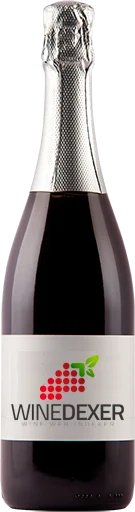
Winery CavicchioliFrizzantino Bianco
 Sparkling wine


This wine generally goes well with

Details and technical informations about Winery Cavicchioli's Frizzantino Bianco.
Discover the grape variety: Putzcheere
Simple dry whites with a pale golden robe, a supple palate with moderate acidity, and understated aromas of citrus and white flowers. Discreet rustic profile. Nearly extinct, preserved for its heritage value in German varietal collections, it belongs to the ancient Central European grape varieties studied for their genetic interest. Rare German white grape, once cultivated in Baden-Württemberg.
Last vintages of this wine
The best vintages of Frizzantino Bianco from Winery Cavicchioli are 0
Informations about the Winery Cavicchioli
The Winery Cavicchioli is one of of the world's great estates. It offers 100 wines for sale in the of Emilia-Romagna to come and discover on site or to buy online.

The wine region of Emilia-Romagna
Kingdom of Lambrusco: fresh, fruity sparkling reds (blackberry, cherry, violet), from gourmet dry to convivial off-dry, perfect with local charcuterie. World's best-selling sparkling wine on the Emilia side (Sorbara, Grasparossa, Salamino). East, Romagna: supple fruity Sangiovese, Albana (Italy's 1st white DOCG, 1987) ample and almondy. Also red Gutturnio and white Pignoletto.
The word of the wine: Flowable
A supple, easy-drinking wine with little consistency in the mouth.