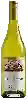
Caves RoadClassic White
 White wine


This wine generally goes well with vegetarian, poultry or rich fish (salmon, tuna etc).
Wine flavors and olphactive analysis

On the nose the Classic White of Caves Road in the region of Australie de l'Ouest often reveals types of flavors of citrus fruit.
Food and wine pairings with Classic White
Pairings that work perfectly with Classic White



Original food and wine pairings with Classic White


The Classic White of Caves Road matches generally quite well with dishes of rich fish (salmon, tuna etc), shellfish or sweet desserts such as recipes of leek and fresh salmon tart, parillade of fish and seafood or chocolate fondant.
Details and technical informations about Caves Road's Classic White.
Discover the grape variety: Candin
Interspecific crossing between 7489 (direct white producer hybrid) and Hamburg Muscat obtained in 1981.
Last vintages of this wine
The best vintages of Classic White from Caves Road are 0
Informations about the Caves Road
The Caves Road is one of of the world's greatest estates. It offers 3 wines for sale in the of Margaret River to come and discover on site or to buy online.

The wine region of Margaret River
The wine region of Margaret River is located in the region of South West Australia of Australie de l'Ouest of Australia. We currently count 442 estates and châteaux in the of Margaret River, producing 2302 different wines in conventional, organic and biodynamic agriculture. The wines of Margaret River go well with generally quite well with dishes .
The wine region of Australie de l'Ouest
Western Australia is the largest of Australia's eight administrative areas and territories. In 2020, it accounted for only 2% of the nation's wine production, but has already produced up to 20% of the country's fine wines. Covering the entire western third of the vast island-continent, "WA" (as it is commonly known) stretches 1,600 kilometres (1,000 miles) from east to west. This makes it the second largest administrative subdivision of any country in the world, larger than Alaska and Texas combined.
The word of the wine: Musky
Characteristic of the musk smell.