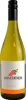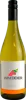
Caves René BentzBech-Macher Gottesgôf Riesling
 White wine



This wine generally goes well with pork, vegetarian or poultry.
The Bech-Macher Gottesgôf Riesling of the Caves René Bentz is in the top 10 of wines of Luxembourg.

Food and wine pairings with Bech-Macher Gottesgôf Riesling
Pairings that work perfectly with Bech-Macher Gottesgôf Riesling



Original food and wine pairings with Bech-Macher Gottesgôf Riesling



The Bech-Macher Gottesgôf Riesling of Caves René Bentz matches generally quite well with dishes of pork, rich fish (salmon, tuna etc) or spicy food such as recipes of ham and cheese omelette, garba ( ivory coast ) or yassa chicken (senegal).
Details and technical informations about Caves René Bentz's Bech-Macher Gottesgôf Riesling.
Discover the grape variety: Riesling
Crystalline, taut whites with vibrant acidity and aromas of citrus, green apple, white flowers, vineyard peach and mineral/petrol notes with age. Made as dry (Trocken, Alsace), off-dry (Kabinett, Spätlese) and sweet (Auslese, Beerenauslese, Trockenbeerenauslese, late harvest). Star of the Moselle, Rheingau, Alsace AOC and Wachau. Also exported to Clare Valley and Finger Lakes.
Last vintages of this wine
The best vintages of Bech-Macher Gottesgôf Riesling from Caves René Bentz are 2017, 0, 2015
Informations about the Caves René Bentz
The Caves René Bentz is one of of the world's greatest estates. It offers 26 wines for sale in the of Luxembourg to come and discover on site or to buy online.

The wine region of Luxembourg
Vineyard of the Grand Duchy stretched 42 km along the Moselle, 90% whites. Signature Crémant de Luxembourg in sparkling: strict traditional method (9 months on lees) with green apple, citrus, brioche, white flowers and chalky mineral touch, fine bubble — national aperitif. Taut Riesling (lemon, peach, minerality), full Pinot Gris (pear, honey), fine Pinot Blanc, round Auxerrois, lively Elbling, floral Rivaner. Limestone slopes and Keuper marls.
The word of the wine: Hybrid
Term designating grape varieties obtained from two different vine species.