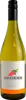
Caves GarnierSt. Saphorin
 White wine


This wine generally goes well with
The St. Saphorin of the Caves Garnier is in the top 60 of wines of Lavaux.
Details and technical informations about Caves Garnier's St. Saphorin.
Discover the grape variety: Freisa
Most certainly from the Italian Piedmont. It is also found in Argentina. We have noted that this variety has a great resemblance with the nebbiolo, also from the Italian Piedmont. According to genetic analyses published in Switzerland, Freisa is a descendant of Viognier and a half-sister of Rèze.
Last vintages of this wine

The best vintages of St. Saphorin from Caves Garnier are 2016, 2014, 0
Informations about the Caves Garnier
The Caves Garnier is one of of the world's great estates. It offers 58 wines for sale in the of Lavaux to come and discover on site or to buy online.

The wine region of Lavaux
The wine region of Lavaux is located in the region of Vaud of Switzerland. Wineries and vineyards like the Domaine Louis Bovard or the Château de Chillon produce mainly wines white, red and pink. The most planted grape varieties in the region of Lavaux are Chasselas, Pinot noir and Gamay noir, they are then used in wines in blends or as a single variety. On the nose of Lavaux often reveals types of flavors of peach, cheese or microbio and sometimes also flavors of tree fruit, floral or citrus fruit.
The wine region of Vaud
Vaud is Switzerland's second-largest wine region, located in the French-speaking southwest. The region - which is also one of 26 cantons in the country - is best known for its crisp, white Fendant wines (the national name for the Chasselas variety) and its stunning lakeside landscapes. Both of these reach their zenith in the grand crus of Lavaux/dezaley">Dezaley and Calamin. These famous Lavaux Vineyard terraces, which rise steeply up above Lake Geneva (Lac Léman), are considered of such importance that they are now enjoy protected status as a UNESCO World Heritage Site.
The word of the wine: Bitter
Normal for certain young red wines rich in tannin, bitterness is in other cases a defect due to a bacterial disease.