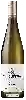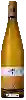
Cave SpringSea Legs White
 White wine



This wine generally goes well with

Details and technical informations about Cave Spring's Sea Legs White.
Discover the grape variety: Crovassa
Light reds with a clear ruby robe, soft tannins and an airy palate on red fruit (cherry, strawberry) and Mediterranean herbs (scrubland, thyme). Heritage profile. Preserved for its patrimonial value, subject to ampelographic studies at the Corsican CRVI, still grown on a handful of discreet parcels on the island. Rare black Corsican variety, a witness to the island's ampelographic heritage.
Last vintages of this wine
The best vintages of Sea Legs White from Cave Spring are 2013, 0
Informations about the Cave Spring
The Cave Spring is one of of the world's great estates. It offers 42 wines for sale in the of Niagara Peninsula to come and discover on site or to buy online.

The wine region of Niagara Peninsula
World reference for Icewine: concentrated sweet wines from grapes frozen on the vine, golden colour, signature notes of candied apricot, mango, honey, citrus and exotic fruit, high sugar balanced by lively acidity. 90% of Canadian Icewine (Vidal for fruit, Riesling for finesse). Cool-climate still wines: mineral Riesling, precise Chardonnay, fine Pinot Noir, peppery Cabernet Franc. Southern shores of Lake Ontario.
The wine region of Ontario
World reference for Canadian Icewine: exceptional sweet wines from grapes frozen on the vine, golden colour, signature notes of candied apricot, mango, honey, citrus and exotic fruits, opulent sugar balanced by taut acidity (Vidal for fruit, Riesling for finesse). Cool-climate still wines: mineral, lively Riesling, precise Chardonnay, fine Pinot Noir (cherry, undergrowth), peppery Cabernet Franc. ~5,500 ha on the Niagara Peninsula between Lake Ontario and the escarpment, VQA.
The word of the wine: Solera
A method of maturing practiced in Andalusia for certain sherries, which aims to continuously blend older and younger wines. It consists of stacking several layers of barrels; those located at ground level (solera) contain the oldest wines, the youngest being stored in the barrels on the upper level. The wine to be bottled is taken from the barrels on the lower level, which is replaced by younger wine from the upper level, and so on.