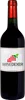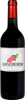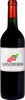
Cave Sainte-AnneCabernet Sauvignon de Chamoson
 wine
wine
This wine generally goes well with
The Cabernet Sauvignon de Chamoson of the Cave Sainte-Anne is in the top 0 of wines of Valais.

Details and technical informations about Cave Sainte-Anne's Cabernet Sauvignon de Chamoson.
Discover the grape variety: Enfariné Noir
Light, fruity reds with a clear ruby hue, smooth tannins and an airy palate with lively acidity; signature aromas of red fruits (cherry, raspberry), gentle spices and Jura floral notes. Airy style, best drunk young. Preserved for its heritage value, it survives in a few heritage plots in the Jura and Ain. Ancient native French black grape of the Jura and Bugey, formerly more widespread, now near-extinct.
Informations about the Cave Sainte-Anne
The Cave Sainte-Anne is one of of the world's greatest estates. It offers 34 wines for sale in the of Valais to come and discover on site or to buy online.

The wine region of Valais
Switzerland's largest vineyard, capital of native grapes. Straight, precise alpine whites: light, floral Chasselas (Fendant), signature Petite Arvine with saline, grapefruit and rhubarb notes, rich, apricoty Amigne, mineral Humagne Blanche. Altitude reds: fine Pinot Noir, crisp Gamay, native Cornalin and Humagne Rouge, spicy and deep. Highly precise alpine age-worthy wines.
The word of the wine: VDN
Natural sweet wine. Wine obtained by mutage of the must during fermentation by adding over-finished alcohol at 96 °, produced in the vineyards of Roussillon, Languedoc, Rhone Valley and Corsica.