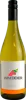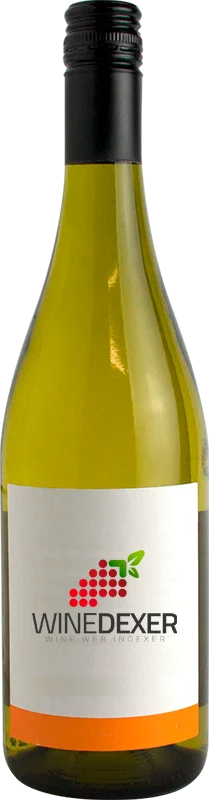
Cave Nouveau St-Clément - C. Lamon & CieDôle Blanche
 White wine


This wine generally goes well with
Details and technical informations about Cave Nouveau St-Clément - C. Lamon & Cie's Dôle Blanche.
Discover the grape variety: Suffolk red
Interspecific crossing between the fredonia or early concord and the black monukka - the latter also being called russian seedless or black kischmish - obtained in 1935 by John Einset (1915/1981) at the Agricultural Experimental Station of the State of New-York (United States) ... practically unknown in France except for amateur gardeners, registered however in the Official Catalogue of the varieties of grapevine of table A2 list. Note that it has concord and isabelle as parents.
Last vintages of this wine
The best vintages of Dôle Blanche from Cave Nouveau St-Clément - C. Lamon & Cie are 0
Informations about the Cave Nouveau St-Clément - C. Lamon & Cie
The Cave Nouveau St-Clément - C. Lamon & Cie is one of of the world's great estates. It offers 17 wines for sale in the of Valais to come and discover on site or to buy online.

The wine region of Valais
The Valais is the largest wine region and appellation in Switzerland, responsible for around one third of the country's total wine production. The main Vineyard area covers the southeast-facing slopes of the dramatic Rhône river valley as the glacial waters run southwest between Leuk (Loeche in French) and Fully. The river changes direction at Martigny and then runs northwest to exit the valley and empty into Lac Léman (Lake Geneva). Vineyard area here comes to around 4,800 hectares (11,800 acres) and is generally located on (often steep) slopes and terraces between the flat, fertile, Heavy soils at the bottom of the valley - often given over to fruit production, industry and urban development - and the bare rock of the mountainside that towers above.
The word of the wine: Primary (aromas)
Aromas characteristic of each grape variety, essentially fruity and floral.