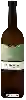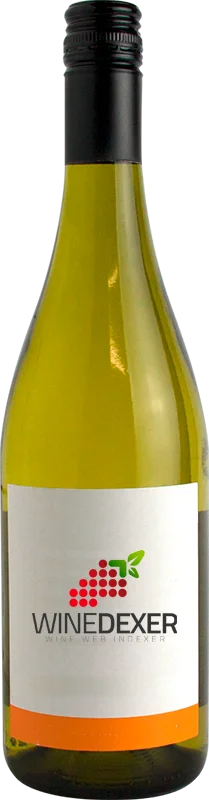
Cave du RhodanMounir Weine Blanc
 White wine


This wine generally goes well with
The Mounir Weine Blanc of the Cave du Rhodan is in the top 5 of wines of Salgesch.
Details and technical informations about Cave du Rhodan's Mounir Weine Blanc.
Discover the grape variety: Serna
Intraspecific cross between moscatel rosado and (cardinal x sultanine) obtained in San Rafael, Argentina at the Inta station by Angelo Gargiulo and registered in 2010 in the Official Catalogue of table grape varieties list A. It can be found in Italy and Spain, but is rarely grown in France.
Last vintages of this wine
The best vintages of Mounir Weine Blanc from Cave du Rhodan are 2012, 2016, 2015, 2017 and 0.
Informations about the Cave du Rhodan
The Cave du Rhodan is one of of the world's greatest estates. It offers 54 wines for sale in the of Salgesch to come and discover on site or to buy online.

The wine region of Salgesch
The wine region of Salgesch is located in the region of Valais of Switzerland. Wineries and vineyards like the Domaine Fernand Cina or the GREGOR KUONEN Caveau de Salquenen produce mainly wines red, white and pink. The most planted grape varieties in the region of Salgesch are Pinot noir, Merlot and Cabernet-Sauvignon, they are then used in wines in blends or as a single variety. On the nose of Salgesch often reveals types of flavors of red fruit, black fruit or cherry and sometimes also flavors of oak, spices or earth.
The wine region of Valais
The Valais is the largest wine region and appellation in Switzerland, responsible for around one third of the country's total wine production. The main Vineyard area covers the southeast-facing slopes of the dramatic Rhône river valley as the glacial waters run southwest between Leuk (Loeche in French) and Fully. The river changes direction at Martigny and then runs northwest to exit the valley and empty into Lac Léman (Lake Geneva). Vineyard area here comes to around 4,800 hectares (11,800 acres) and is generally located on (often steep) slopes and terraces between the flat, fertile, Heavy soils at the bottom of the valley - often given over to fruit production, industry and urban development - and the bare rock of the mountainside that towers above.
The word of the wine: Malolactic fermentation
Called second fermentation or malo for short. It is the degradation (under the effect of bacteria) of the malic acid naturally present in the wine into milder, less aggressive lactic acid. Some producers or wineries refuse this operation by "blocking the malo" (by cold and adding SO2) to keep a maximum of acidity which carries the aromas and accentuates the sensation of freshness.