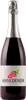
Cave du LiboreauPinot Noir
 Red wine
This wine generally goes well with pork, poultry or veal.

Food and wine pairings with Pinot Noir
Pairings that work perfectly with Pinot Noir



Original food and wine pairings with Pinot Noir


The Pinot Noir of Cave du Liboreau matches generally quite well with dishes of veal, pork or game (deer, venison) such as recipes of roast veal orloff, truffade (auvergne - cantal - 15) or duck pot au feu.
Details and technical informations about Cave du Liboreau's Pinot Noir.
Discover the grape variety: Pinot noir
Elegant reds, light in colour with silky tannins, showing strawberry, cherry and raspberry aromas, evolving to forest floor, mushroom and spice with age. Fresh acidity, delicate finish. Star of the Côte d'Or (Romanée-Conti, Chambertin, Volnay), pillar of Champagne (Blanc de Noirs) and signature of Oregon, Central Otago and Sonoma Coast. An early-ripening Burgundian variety, one of the world's greatest.
Informations about the Cave du Liboreau
The Cave du Liboreau is one of of the world's greatest estates. It offers 14 wines for sale in the of Pineau des Charentes to come and discover on site or to buy online.

The wine region of Pineau des Charentes
AOC vin de liqueur of the Charentes (Cognac zone), made by mutage: fresh must + Cognac eau-de-vie, aged in cask min. 18 months. Charentais aperitif signature with notes of fresh grape, honey, candied fruits, citrus, soft vanilla and a hazelnut touch in white — deep gold robe, round velvety palate at 17% vol. Rosé version on Cabernet and Merlot brings strawberry and red fruits.
The wine region of Cognac
Charente vineyard dedicated to distillation for Cognac eau-de-vie (AOC 1936). Six signature ranked crus: Grande Champagne the most prestigious (elegance and length), fine Petite Champagne, round and floral Borderies, fruity Fins Bois, rustic Bons Bois, ordinary Bois. Spirits with grape, white flowers, dried fruits, vanilla, leather, spice and noble rancio notes — from young VS to long-aged XO. Ugni Blanc king (98%), Folle Blanche, Colombard.
The word of the wine: Courgée
Name of the fruiting branch left after pruning and which is then arched along the trellis in the Jura (in the Mâconnais, it is called the tail).