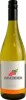
Cave des Saint-SaturninLucian Grande Reserve Blanc
 White wine



In the mouth this white wine is a powerful.
This wine generally goes well with vegetarian, poultry or lean fish.

Taste structure of the Lucian Grande Reserve Blanc from the Cave des Saint-Saturnin
Light | Bold | |
Dry | Sweet | |
Soft | Acidic |
In the mouth the Lucian Grande Reserve Blanc of Cave des Saint-Saturnin in the region of Languedoc-Roussillon is a powerful.
Wine flavors and olphactive analysis


On the nose the Lucian Grande Reserve Blanc of Cave des Saint-Saturnin in the region of Languedoc-Roussillon often reveals types of flavors of oaky, oak or spices.
Food and wine pairings with Lucian Grande Reserve Blanc
Pairings that work perfectly with Lucian Grande Reserve Blanc



Original food and wine pairings with Lucian Grande Reserve Blanc


The Lucian Grande Reserve Blanc of Cave des Saint-Saturnin matches generally quite well with dishes of pasta, vegetarian or poultry such as recipes of pasta with tuna and laughing cow, cream and tuna quiche or thai rice, asian style.
Details and technical informations about Cave des Saint-Saturnin's Lucian Grande Reserve Blanc.
Discover the grape variety: Bekari
Supple, fruity reds with a moderate ruby colour, smooth tannins and a light, fresh palate; signature aromas of red fruits (cherry, raspberry), gentle spices and floral notes. Also made into refreshing sparkling rosés. Traditionally blended with Debina and Vlachiko for Zitsa PDO sparkling rosés, or with Agiorgitiko for Epirus reds. Indigenous Greek black grape from Epirus, DNA-identical to Turkish Dimrit.
Last vintages of this wine
The best vintages of Lucian Grande Reserve Blanc from Cave des Saint-Saturnin are 2014
Informations about the Cave des Saint-Saturnin
The Cave des Saint-Saturnin is one of of the world's great estates. It offers 97 wines for sale in the of Saint-Saturnin to come and discover on site or to buy online.

The wine region of Saint-Saturnin
Languedoc AOP in northern Hérault (uniform argilo-calcareous terroir, full south exposure, cool Larzac winds): Syrah, Grenache, Mourvèdre, Carignan and Cinsault as signature reds — deep ruby-garnet robe, intense aromas of blackberry and cherry with spice, garrigue, leather and smoky or chocolatey notes, well-structured tannins balanced by fresh acidity lending length, elegance preserved by Larzac winds. Ageing potential 3–7 years.
The wine region of Languedoc-Roussillon
Largest single French vineyard, dominated by sunny, generous reds. Spicy Syrah, candied Grenache (ripe fruit, garrigue), structured Carignan, deep Mourvèdre, supple Cinsault. Stars: structured Corbières, Minervois, Faugères, Saint-Chinian; round Côtes-du-Roussillon. Legendary vins doux naturels: Banyuls and Maury (fortified Grenache) with notes of cocoa, fig, prune.
The word of the wine: Botrytis cinerea
This fungus, also called noble rot, develops during the over-ripening phase and is an ally of great sweet white wines, when it concentrates the juice of the berries. It requires the humidity of morning fogs and beautiful sunny days, gives musts very rich in sugar and brings to the wines the famous taste of "roasted".