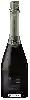
Winery Catturich DuccoPiero Catturich Franciacorta Extra Brut
 Sparkling wine


This wine generally goes well with

Details and technical informations about Winery Catturich Ducco's Piero Catturich Franciacorta Extra Brut.
Discover the grape variety: Dattier de Beyrouth
Table grape with long clusters and elongated golden berries (date-shaped, hence the name), thin skin and crunchy flesh, with a pleasant sweet flavour. Very rarely vinified. Grown in the eastern Mediterranean (Lebanon, Syria, Turkey, Greece), southern Europe and North Africa, prized for its attractive appearance and extended cold-storage life. Historic white table grape variety originating from the Levant (probably Lebanon).
Last vintages of this wine
The best vintages of Piero Catturich Franciacorta Extra Brut from Winery Catturich Ducco are 2018, 0
Informations about the Winery Catturich Ducco
The Winery Catturich Ducco is one of of the world's greatest estates. It offers 21 wines for sale in the of Franciacorta to come and discover on site or to buy online.

The wine region of Franciacorta
The Italian Champagne, the country's largest DOCG zone for classic-method sparklers. Fine, refined bubbles with signature notes of green apple, citrus, brioche, toasted almond and white flowers, taut and creamy finish (18 months minimum on lees, up to 60 for Riserva). Based on dominant Chardonnay, Pinot Noir for structure, Pinot Blanc for roundness. Satèn (low pressure, silky) and fruity rosé versions.
The wine region of Lombardia
Three poles. Franciacorta DOCG, Italy's answer to Champagne: elegant brioche traditional-method sparklers (Chardonnay, Pinot Noir, Pinot Blanc), fine bubble and mineral profile. Alpine Valtellina: Nebbiolo (alias Chiavennasca) with fine tannins and red fruits, powerful Sforzato passito. Oltrepò Pavese: fresh Pinot Noir and fruity-sparkling Bonarda.
The word of the wine: Yeast
Micro-organisms at the base of all fermentative processes. A wide variety of yeasts live and thrive naturally in the vineyard, provided that treatments do not destroy them. Unfortunately, their replacement by laboratory-selected yeasts is often the order of the day and contributes to the standardization of the wine. Yeasts are indeed involved in the development of certain aromas.