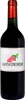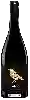
Winery Castillo de TafallaOld Vine Garnacha
 Red wine


In the mouth this red wine is a powerful with a nice freshness.
This wine generally goes well with poultry, beef or game (deer, venison).
Taste structure of the Old Vine Garnacha from the Winery Castillo de Tafalla
Light | Bold | |
Smooth | Tannic | |
Dry | Sweet | |
Soft | Acidic |
In the mouth the Old Vine Garnacha of Winery Castillo de Tafalla in the region of Navarre is a powerful with a nice freshness.
Wine flavors and olphactive analysis



On the nose the Old Vine Garnacha of Winery Castillo de Tafalla in the region of Navarre often reveals types of flavors of non oak, oak or spices and sometimes also flavors of red fruit.
Food and wine pairings with Old Vine Garnacha
Pairings that work perfectly with Old Vine Garnacha



Original food and wine pairings with Old Vine Garnacha


The Old Vine Garnacha of Winery Castillo de Tafalla matches generally quite well with dishes of beef, pasta or lamb such as recipes of beef coarse salt, elodie's pasta risotto or fried vegetables with merguez and chipo.
Details and technical informations about Winery Castillo de Tafalla's Old Vine Garnacha.
Discover the grape variety: Alvarinho
The white Alvarinho is a grape variety originating from Spain. It produces a variety of grape specially used for the elaboration of wine. It is rare to find this grape to eat on our tables. This variety of grape is characterized by small bunches and small grapes. The white Alvarinho can be found cultivated in these vineyards: South-West, Cognac, Bordeaux, Languedoc & Roussillon, Rhone Valley.
Last vintages of this wine
The best vintages of Old Vine Garnacha from Winery Castillo de Tafalla are 2019, 0
Informations about the Winery Castillo de Tafalla
The Winery Castillo de Tafalla is one of of the world's greatest estates. It offers 7 wines for sale in the of Navarre to come and discover on site or to buy online.

The wine region of Navarre
Navarra, in northern Spain, is one of the country's 17 first-level administrative regions (comunidades autónomas) and a fairly prolific, if lesser-known, wine region. Traditionally associated with the production of Bright, Fruity rosé, Navarra is beginning to attract attention for its high-quality red wines, mainly from the Tempranillo, Cabernet Sauvignon and Merlot grapes, after years of being overshadowed by its southern neighbor, Rioja. The first evidence of wine-making in the region dates back to Roman times, but it is almost certain that Vines were growing here Long before that. It was recently discovered that vines of the prehistoric species Vitis sylvestris - the predecessor of the beloved Vitis vinifera - were still growing in Navarre.
The word of the wine: Solera
A method of maturing practiced in Andalusia for certain sherries, which aims to continuously blend older and younger wines. It consists of stacking several layers of barrels; those located at ground level (solera) contain the oldest wines, the youngest being stored in the barrels on the upper level. The wine to be bottled is taken from the barrels on the lower level, which is replaced by younger wine from the upper level, and so on.