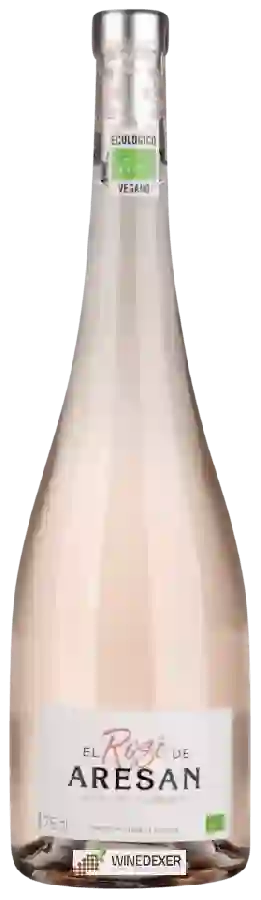
Winery Castillo de AresanEl Rosé de Aresan Garnacha - Cabernet
 Pink wine


This wine generally goes well with pork, poultry or beef.

Food and wine pairings with El Rosé de Aresan Garnacha - Cabernet
Pairings that work perfectly with El Rosé de Aresan Garnacha - Cabernet



Original food and wine pairings with El Rosé de Aresan Garnacha - Cabernet



The El Rosé de Aresan Garnacha - Cabernet of Winery Castillo de Aresan matches generally quite well with dishes of beef, lamb or pork such as recipes of daube niçoise, lamb garam massala or lentils and morteau sausages.
Details and technical informations about Winery Castillo de Aresan's El Rosé de Aresan Garnacha - Cabernet.
Discover the grape variety: Cabernet franc
Supple, fragrant reds with fine tannins and vibrant freshness, showing raspberry, violet, green pepper, pencil lead and gentle spice aromas. Star of the Loire as a single variety (Chinon, Bourgueil, Saumur-Champigny) and of the right bank of Bordeaux in blends (Cheval Blanc at 60%). Also in semi-dry Anjou rosés. A historic Bordeaux variety, parent of Cabernet-Sauvignon, Merlot and Carmenère.
Last vintages of this wine
The best vintages of El Rosé de Aresan Garnacha - Cabernet from Winery Castillo de Aresan are 2018, 2019
Informations about the Winery Castillo de Aresan
The Winery Castillo de Aresan is one of of the world's greatest estates. It offers 38 wines for sale in the of Castille to come and discover on site or to buy online.

The wine region of Castille
Cradle of great Castilian reds, high-altitude plateaus (450-1000 m) along the Duero. Tempranillo king (aka Tinta de Toro, Tinto Fino): powerful, concentrated, structured reds with notes of black cherry, plum, leather, tobacco and spice, firm tannins from altitude and cool nights. Stars: Ribera del Duero (Vega Sicilia, Pingus), fleshy Toro, Bierzo (floral, mineral Mencía). Lively, herbaceous Verdejo whites from Rueda.
The word of the wine: Fruity
A wine whose nose is first characterized by aromas reminiscent of the world of fruit. A wine to be drunk young is essentially fruity, but all wines offer this type of aroma in the first place, which can evolve over time, from the scent of fresh fruit to cooked, stewed, candied or brandied fruit.