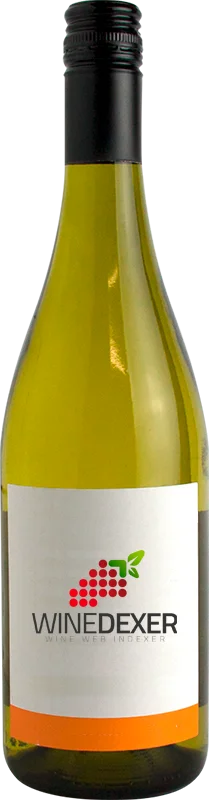
Winery Castello del TrebbioCongiura Riesling
 White wine
In the mouth this white wine is a with a nice freshness.
This wine generally goes well with vegetarian, appetizers and snacks or lean fish.
Taste structure of the Congiura Riesling from the Winery Castello del Trebbio
Light | Bold | |
Dry | Sweet | |
Soft | Acidic |
In the mouth the Congiura Riesling of Winery Castello del Trebbio in the region of Tuscany is a with a nice freshness.
Food and wine pairings with Congiura Riesling
Pairings that work perfectly with Congiura Riesling



Original food and wine pairings with Congiura Riesling


The Congiura Riesling of Winery Castello del Trebbio matches generally quite well with dishes of pasta, vegetarian or appetizers and snacks such as recipes of pumpkin and courgette lasagne, quiche without pastry or tapenade.
Details and technical informations about Winery Castello del Trebbio's Congiura Riesling.
Discover the grape variety: Riesling
White Riesling is a grape variety that originated in France (Alsace). It produces a variety of grape specially used for the elaboration of wine. It is rare to find this grape to eat on our tables. This variety of grape is characterized by small bunches, and small grapes. White Riesling can be found in many vineyards: Alsace, Loire Valley, Languedoc & Roussillon, Lorraine, Provence & Corsica, Rhone Valley, Savoie & Bugey, Beaujolais, South West.
Informations about the Winery Castello del Trebbio
The Winery Castello del Trebbio is one of of the world's great estates. It offers 21 wines for sale in the of Tuscany to come and discover on site or to buy online.

The wine region of Tuscany
Tuscany is one of the most famous and prolific wine regions in Europe. It is best known for its Dry red wines made from Sangiovese grapes, which dominate production. These include Chianti, Brunello di Montalcino and Vino Nobile di Montepulciano. The region's Vin Santo is also highly prized, as are its passito dessert wines, though these are produced in comparatively tiny quantities.
The word of the wine: Pinot meunier
Cultivated in the 19th century in all the northern vineyards, this black grape variety has largely regressed since. Very present in the Marne valley, it constitutes a third of the vineyards in Champagne, alongside pinot noir and chardonnay with which it is often blended. It brings roundness and red and yellow fruit aromas to champagnes. Pinot meunier is also the dominant grape variety in red and rosé wines in the Orleans AOC and the rare Touraine-Noble-Joué, a grey wine. Syn.: meunier.