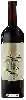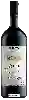
Winery Cascina BruniCarpegna Barolo
 Red wine



In the mouth this red wine is a powerful with a nice balance between acidity and tannins.
This wine generally goes well with beef, game (deer, venison) or lamb.

Taste structure of the Carpegna Barolo from the Winery Cascina Bruni
Light | Bold | |
Smooth | Tannic | |
Dry | Sweet | |
Soft | Acidic |
In the mouth the Carpegna Barolo of Winery Cascina Bruni in the region of Piedmont is a powerful with a nice balance between acidity and tannins.
Food and wine pairings with Carpegna Barolo
Pairings that work perfectly with Carpegna Barolo



Original food and wine pairings with Carpegna Barolo

The Carpegna Barolo of Winery Cascina Bruni matches generally quite well with dishes of beef, pasta or lamb such as recipes of barbecue burger, chicken wok with chinese noodles or lamb mouse with onions and red wine.
Discover the grape variety: Nebbiolo
Austere, noble reds, pale in colour and quick to turn garnet, with powerful tannins and high acidity, showing aromas of sour cherry, faded rose, tar, white truffle, leather and balsamic notes with age. Outstanding ageing potential. Absolute star of Piedmont with Barolo DOCG and Barbaresco DOCG, also in Roero, Gattinara, Ghemme and Valtellina (Chiavennasca). A late-ripening Italian variety among the world's greatest.
Last vintages of this wine
The best vintages of Carpegna Barolo from Winery Cascina Bruni are 2010, 2007, 0, 2011 and 1997.
Informations about the Winery Cascina Bruni
The Winery Cascina Bruni is one of of the world's greatest estates. It offers 29 wines for sale in the of Barolo to come and discover on site or to buy online.

The wine region of Barolo
"King of wines, wine of kings": exceptional Piedmont red, 100% Nebbiolo. Garnet robe evolving to brick, complex signature aromas of faded rose, sour cherry, tar, white truffle, leather, undergrowth and spice. Firm tannins and lively acidity structure a long ageing (15-30 years+). Minimum 38 months ageing including 18 in barrel (62 for Riserva).
The wine region of Piedmont
Kingdom of Nebbiolo: Barolo and Barbaresco DOCG, long-ageing reds with firm tannins and lively acidity, complex aromas of withered rose, sour cherry, tar, truffle and undergrowth. More accessible, tangy Barbera on red fruit, supple, crisp Dolcetto. Sweet, floral sparkling Moscato d'Asti, mineral, lemony Gavi (Cortese) white, round, almondy Arneis from Roero. 50,000 ha across the Langhe, Roero and Monferrato, UNESCO.
The word of the wine: Muscat blanc à petits grains
A white grape variety cultivated since antiquity on the shores of the Mediterranean, it is considered the noblest of the muscats. It is mainly used to make sweet wines, often from mutage. In France, it is the sole variety used in many natural sweet wines: muscat-de-frontignan, muscat-de-mireval, muscat-de-lunel, muscat-de-saint-jean-de-minervois, muscat-de-beaumes-de-venise, muscat-du-cap-corse. Combined with Muscat d'Alexandrie, it gives Muscat-de-Rivesaltes. It is also used to make sparkling white wines (clairette-de-die; moscato d'asti and asti spumante in Italy) and dry wines (alsace-muscat). Powerfully aromatic and complex, its wines evoke fresh grapes, roses, exotic fruits, citrus fruits and spices.