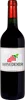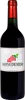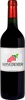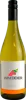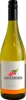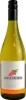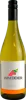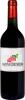
Winery Casale VallechiesaRosso
 Red wine



In the mouth this red wine is a .
This wine generally goes well with poultry, beef or veal.

Taste structure of the Rosso from the Winery Casale Vallechiesa
Light | Bold | |
Smooth | Tannic | |
Dry | Sweet | |
Soft | Acidic |
In the mouth the Rosso of Winery Casale Vallechiesa in the region of Lazio is a .
Food and wine pairings with Rosso
Pairings that work perfectly with Rosso



Original food and wine pairings with Rosso

The Rosso of Winery Casale Vallechiesa matches generally quite well with dishes of beef, pasta or veal such as recipes of savoyard matafans, fideuà (paella with pasta and fish) or gigolette of rabbit.
Details and technical informations about Winery Casale Vallechiesa's Rosso.
Discover the grape variety: Osteiner
Lively and aromatic whites, with a pale golden robe, an airy palate with preserved acidity on citrus (lemon), green apple, white flowers and mineral notes close to Riesling. Easier ripening with a distinctive profile. Grown on very small surfaces in Germany, remains confidential and used in blends or dry single-variety whites. White variety bred at Geisenheim (Riesling × Silvaner), late-ripening.
Last vintages of this wine
The best vintages of Rosso from Winery Casale Vallechiesa are 0
Informations about the Winery Casale Vallechiesa
The Winery Casale Vallechiesa is one of of the world's great estates. It offers 23 wines for sale in the of Lazio to come and discover on site or to buy online.

The wine region of Lazio
Two-millennia Roman vineyard, predominantly white on the volcanic soils of the Castelli Romani. Frascati DOC as figurehead: fresh, accessible whites based on Malvasia and Trebbiano, notes of green apple, white flowers and almond, slightly bitter finish. Also Bellone and Grechetto. Emblematic red: Cesanese del Piglio DOCG, fleshy with notes of ripe cherry, dry herbs and spice, round tannins.
The word of the wine: Tanin
A natural compound contained in the skin of the grape, the seed or the woody part of the bunch, the stalk. The maceration of red wines allows the extraction of tannins, which give the texture, the solidity and also the mellowness when the tannins are "ripe". The winemaker seeks above all to extract the tannins from the skin, the ripest and most noble. The tannins of the seed or stalk, which are "greener", especially in average years, give the wine hardness and astringency. The wines of Bordeaux (based on Cabernet and Merlot) are full of tannins, those of Burgundy much less so, with Pinot Noir containing little.