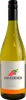
Winery Casal VideiraAlvarinho E Loureiro
 White wine



This wine is a blend of 2 varietals which are the Alvarinho and the Loureiro.
In the mouth this white wine is a with a nice freshness.
This wine generally goes well with appetizers and snacks, lean fish or shellfish.

Taste structure of the Alvarinho E Loureiro from the Winery Casal Videira
Light | Bold | |
Dry | Sweet | |
Soft | Acidic |
In the mouth the Alvarinho E Loureiro of Winery Casal Videira in the region of Minho is a with a nice freshness.
Food and wine pairings with Alvarinho E Loureiro
Pairings that work perfectly with Alvarinho E Loureiro



Original food and wine pairings with Alvarinho E Loureiro

The Alvarinho E Loureiro of Winery Casal Videira matches generally quite well with dishes of shellfish, appetizers and snacks or lean fish such as recipes of thai shrimp soup (tom yam goong), melon and cucumber gazpacho or monkfish blanquette with saffron.
Discover the grape variety: Alvarinho
Lively, aromatic whites with cutting acidity and a slender mouth, featuring intense aromas of citrus, white peach, apricot, white flowers, passion fruit and iodised Atlantic saline notes. Tonic, long finish. The absolute star of the Monção e Melgaço sub-region (Vinho Verde DOC), it signs the finest Portuguese Vinho Verde. Also made as a single variety in the Douro. The Portuguese name for Galician Albariño, native to the northwest Iberian peninsula.
Last vintages of this wine
The best vintages of Alvarinho E Loureiro from Winery Casal Videira are 0
Informations about the Winery Casal Videira
The Winery Casal Videira is one of of the world's greatest estates. It offers 2 wines for sale in the of Minho to come and discover on site or to buy online.

The wine region of Minho
Portugal's northernmost region, heart of Atlantic Vinho Verde. Signature lively, lightly sparkling whites with signature notes of citrus, green apple, white flowers, fresh herbs and a saline touch, thirst-quenching, low-alcohol palate — the sunshine wine par excellence. High-end star Alvarinho (peach, exotic fruits, minerality), floral Loureiro (laurel), ample Trajadura, taut Arinto, structured Avesso. Vinhão as lively red.
The word of the wine: Film maceration
A technique that consists of leaving the grapes to macerate in the open air at a low temperature before fermentation, thus enhancing the aromatic expression of the wine.