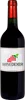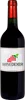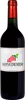
Winery Casal Sta. MariaMerlot
 Red wine



In the mouth this red wine is a powerful with a nice freshness.
This wine generally goes well with poultry, beef or veal.

Taste structure of the Merlot from the Winery Casal Sta. Maria
Light | Bold | |
Smooth | Tannic | |
Dry | Sweet | |
Soft | Acidic |
In the mouth the Merlot of Winery Casal Sta. Maria in the region of Lisboa is a powerful with a nice freshness.
Food and wine pairings with Merlot
Pairings that work perfectly with Merlot



Original food and wine pairings with Merlot

The Merlot of Winery Casal Sta. Maria matches generally quite well with dishes of beef, pasta or veal such as recipes of fondue vigneronne au vin rouge, basque lasagne or blanquette of veal.
Details and technical informations about Winery Casal Sta. Maria's Merlot.
Discover the grape variety: Merlot
Round and fleshy reds with a velvety texture, showing aromas of ripe plum, black cherry, cocoa and truffle notes with age. Supple tannins, generous alcohol, indulgent finish. Pillar of Libournais (Pomerol with Pétrus, Saint-Émilion with Cheval Blanc and Ausone) and signature of Super Tuscans, Italian Wales and Washington State. A cross of Cabernet Franc × Magdeleine Noire, France's most planted red variety.
Last vintages of this wine
The best vintages of Merlot from Winery Casal Sta. Maria are 2015, 2014
Informations about the Winery Casal Sta. Maria
The Winery Casal Sta. Maria is one of of the world's great estates. It offers 27 wines for sale in the of Lisboa to come and discover on site or to buy online.

The wine region of Lisboa
Vast coastal IGP north of Lisbon, Portugal's largest producer by volume. Accessible, sun-filled reds: fruity, spicy Castelão, dense Touriga Nacional (black fruit, violet), fleshy Trincadeira, deep Alicante Bouschet. Fresh, mineral whites: straight, lemony Arinto (star of Bucelas), aromatic Fernão Pires, round Vital and Malvasia. Structured reds from Alenquer, sparkling at Óbidos.
The word of the wine: Chaptalization
The addition of sugar at the time of fermentation of the must, an ancient practice, but theorized by Jean-Antoine Chaptal at the dawn of the 19th century. The sugar is transformed into alcohol and allows the natural degree of the wine to be raised in a weak or cold year, or - more questionably - when the winegrower has a harvest that is too large to obtain good maturity.