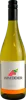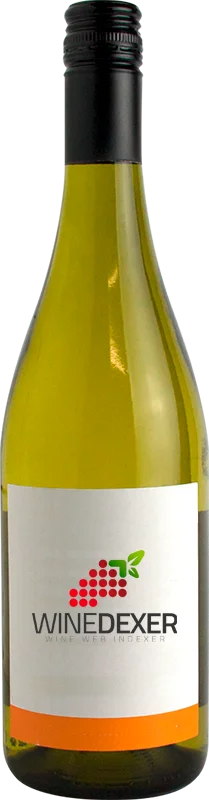
Winery Casaioli StefanoPelagalla
 White wine



In the mouth this white wine is a powerful with a nice freshness.
This wine generally goes well with vegetarian, appetizers and snacks or lean fish.

Taste structure of the Pelagalla from the Winery Casaioli Stefano
Light | Bold | |
Dry | Sweet | |
Soft | Acidic |
In the mouth the Pelagalla of Winery Casaioli Stefano in the region of Umbria is a powerful with a nice freshness.
Food and wine pairings with Pelagalla
Pairings that work perfectly with Pelagalla



Original food and wine pairings with Pelagalla


The Pelagalla of Winery Casaioli Stefano matches generally quite well with dishes of pasta, vegetarian or appetizers and snacks such as recipes of tagliatelle with mushrooms, mushroom, bacon and gruyere quiche or black tapenade.
Details and technical informations about Winery Casaioli Stefano's Pelagalla.
Discover the grape variety: Chardonnay
Whites with many faces: mineral and taut at Chablis (lemon, green apple, flint), opulent and buttery at Meursault and Puligny-Montrachet (hazelnut, brioche, yellow fruits), tense and chalky in Champagne (Blanc de Blancs). Also vinified sparkling and widely exported (Sonoma, Margaret River, Casablanca). A Burgundian variety, a cross of Pinot Noir × Gouais Blanc, half-sibling of Aligoté.
Last vintages of this wine
The best vintages of Pelagalla from Winery Casaioli Stefano are 0
Informations about the Winery Casaioli Stefano
The Winery Casaioli Stefano is one of of the world's greatest estates. It offers 4 wines for sale in the of Umbria to come and discover on site or to buy online.

The wine region of Umbria
"Green heart" of Italy, cradle of Sagrantino: exceptional tannic red in Sagrantino di Montefalco DOCG, dense and concentrated with notes of blackberry, candied plum, liquorice, spice and leather, powerful tannins and long ageing. Suppler Sangiovese in blends, Cabernet and Merlot in Torgiano DOCG. Orvieto whites based on Grechetto and Trebbiano, full and almondy, from dry to sweet Muffato. ~13,000 ha between Tuscany and Lazio.
The word of the wine: Reassembly
During the vinification process, a "cap" is formed at the top of the vats with the solid parts (skin, pulp, pips, etc.), which contain tannins and colouring elements. Pumping over consists of emptying the vat from the bottom and pouring the juice back to the top, in order to mix the cap and the juice and to favour the exchange and the extraction. This old technique allows a better exchange between the solid parts and the liquid.