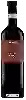
Winery La CasacciaCaliche' Barbera d'Alba Superiore
 wine
wine
This wine generally goes well with
The Caliche' Barbera d'Alba Superiore of the Winery La Casaccia is in the top 0 of wines of Barbera d'Alba.

Details and technical informations about Winery La Casaccia's Caliche' Barbera d'Alba Superiore.
Discover the grape variety: Klingelberger
Aromatic and mineral whites of great ageing potential, with a pale golden colour, a taut palate with vibrant acidity and signature aromas of citrus (lemon, grapefruit), green apple, flint, white flowers and petrol notes at maturity. Also as botrytised Spätlese, Auslese and Eiswein. Produces great whites in German Baden, a typical expression of Durbach and Schloss Staufenberg. Synonym of Riesling used in Germany (Baden, Durbach).
Informations about the Winery La Casaccia
The Winery La Casaccia is one of of the world's great estates. It offers 18 wines for sale in the of Barbera d'Alba to come and discover on site or to buy online.

The wine region of Barbera d'Alba
Premium Piedmontese Barbera around Alba (heart of the Langhe). Fleshier, more concentrated reds than neighbouring Asti, with signature notes of ripe black cherry, candied plum, violet and sweet spices, characteristic fresh acidity and round tannins. Frequent barrel ageing (chocolate, vanilla). Generous palate, accessible young, age-worthy Superiore versions.
The wine region of Piedmont
Kingdom of Nebbiolo: Barolo and Barbaresco DOCG, long-ageing reds with firm tannins and lively acidity, complex aromas of withered rose, sour cherry, tar, truffle and undergrowth. More accessible, tangy Barbera on red fruit, supple, crisp Dolcetto. Sweet, floral sparkling Moscato d'Asti, mineral, lemony Gavi (Cortese) white, round, almondy Arneis from Roero. 50,000 ha across the Langhe, Roero and Monferrato, UNESCO.
The word of the wine: Foxé
An animal odor found in certain reduced or old wines, which are also said to fox, in reference to the fox.