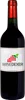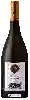
Winery Casa CrebarReserva Carmenérè
 Red wine


In the mouth this red wine is a powerful with a nice freshness.
This wine generally goes well with poultry, beef or lamb.

Taste structure of the Reserva Carmenérè from the Winery Casa Crebar
Light | Bold | |
Smooth | Tannic | |
Dry | Sweet | |
Soft | Acidic |
In the mouth the Reserva Carmenérè of Winery Casa Crebar in the region of Central Valley is a powerful with a nice freshness.
Food and wine pairings with Reserva Carmenérè
Pairings that work perfectly with Reserva Carmenérè



Original food and wine pairings with Reserva Carmenérè

The Reserva Carmenérè of Winery Casa Crebar matches generally quite well with dishes of beef, pasta or lamb such as recipes of meat and goat pie, zucchini and goat cheese lasagna or lamb chops à la champvallon.
Details and technical informations about Winery Casa Crebar's Reserva Carmenérè.
Discover the grape variety: Carmenère
Velvety, deep reds with a dark robe and round tannins, showing aromas of blackberry, plum, ripe red pepper, dark chocolate, coffee and gentle spice. Warm, supple finish. Absolute star of Chile (Colchagua, Cachapoal, Maipo) where it was rediscovered in 1994, long confused with Merlot. A historic Bordeaux variety that nearly vanished after phylloxera, a cross of Cabernet Franc × Gros Cabernet.
Last vintages of this wine
The best vintages of Reserva Carmenérè from Winery Casa Crebar are 2017, 2020, 0
Informations about the Winery Casa Crebar
The Winery Casa Crebar is one of of the world's great estates. It offers 17 wines for sale in the of Central Valley to come and discover on site or to buy online.

The wine region of Central Valley
Heart of modern Chilean wine: structured, sunny reds, dense, blackcurranty Cabernet Sauvignon from Maipo (Chilean cradle of the grape), signature Carménère with notes of ripe pepper, black fruit and sweet spices from Colchagua, supple Merlot and deep Syrah. Round Chardonnay whites and lively, sharp Sauvignon. Mediterranean climate, 400 km between Andes and Pacific. Star sub-regions: Maipo, Cachapoal, Colchagua, Curicó, Maule.
The word of the wine: Oenologist
Specialist in wine-making techniques. It is a profession and not a passion: one can be an oenophile without being an oenologist (and the opposite too!). Formerly attached to the Faculty of Pharmacy, oenology studies have become independent and have their own university course. Learning to make wine requires a good chemical background but also, increasingly, a good knowledge of the plant. Some oenologists work in laboratories (analysis). Others, the consulting oenologists, work directly in the properties.