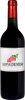
Winery CartemaReserva Denominacion De Drigen Protegida Méntrida
 Red wine


In the mouth this red wine is a powerful with a nice balance between acidity and tannins.
This wine generally goes well with poultry, beef or veal.
Taste structure of the Reserva Denominacion De Drigen Protegida Méntrida from the Winery Cartema
Light | Bold | |
Smooth | Tannic | |
Dry | Sweet | |
Soft | Acidic |
In the mouth the Reserva Denominacion De Drigen Protegida Méntrida of Winery Cartema in the region of Castille is a powerful with a nice balance between acidity and tannins.
Food and wine pairings with Reserva Denominacion De Drigen Protegida Méntrida
Pairings that work perfectly with Reserva Denominacion De Drigen Protegida Méntrida



Original food and wine pairings with Reserva Denominacion De Drigen Protegida Méntrida

The Reserva Denominacion De Drigen Protegida Méntrida of Winery Cartema matches generally quite well with dishes of beef, pasta or veal such as recipes of beef bourguignon in the oven of nanou, capellini with vegetables or veal paupiettes with cider.
Details and technical informations about Winery Cartema's Reserva Denominacion De Drigen Protegida Méntrida.
Discover the grape variety: Olivette blanche
This variety is of unknown origin and is not related to the black olivette. The flowers of the Olivette blanche are physiologically female, which has led it to be cultivated very often in association with other varieties. Today, it is practically no longer multiplied, although it is registered in the Official Catalogue of vine varieties, list A1.
Last vintages of this wine
The best vintages of Reserva Denominacion De Drigen Protegida Méntrida from Winery Cartema are 2009, 0
Informations about the Winery Cartema
The Winery Cartema is one of of the world's greatest estates. It offers 5 wines for sale in the of Castille to come and discover on site or to buy online.

The wine region of Castille
Castilla-La Mancha is a large region located South and east of the Spanish capital, Madrid. Inexpensive table wines are produced from a variety of Grapes. Higher quality wines are increasingly available, but the region is traditionally known as a source of low quality bulk wine. More than half of Spain's grapes are grown here.
The word of the wine: Bâtonnage
A very old technique that has come back into fashion in modern oenology, which consists of shaking the white wine in the barrels at the end of fermentation, or after fermentation, with a stick or a flail, in order to suspend the fine lees composed of yeasts at the end of their activity. This process is sometimes used for red wines.