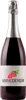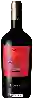
Winery CardinaliSolata Bianco
 White wine



In the mouth this white wine is a powerful with a nice freshness.
This wine generally goes well with lean fish, shellfish or mature and hard cheese.
Taste structure of the Solata Bianco from the Winery Cardinali
Light | Bold | |
Dry | Sweet | |
Soft | Acidic |
In the mouth the Solata Bianco of Winery Cardinali in the region of Veneto is a powerful with a nice freshness.
Food and wine pairings with Solata Bianco
Pairings that work perfectly with Solata Bianco



Original food and wine pairings with Solata Bianco


The Solata Bianco of Winery Cardinali matches generally quite well with dishes of pasta, shellfish or mature and hard cheese such as recipes of my grandmother's macaroni gratin with gruyere cheese and smoked ham, shrimp in hot sauce from cathylou or auvergne fondue with ceps.
Details and technical informations about Winery Cardinali's Solata Bianco.
Discover the grape variety: Valensi
He is said to be of Spanish origin from the Valencia region. It can also be found in Israel. In France, it is almost endangered, although it is registered in the Official Catalogue of table grape varieties, list A1.
Last vintages of this wine
The best vintages of Solata Bianco from Winery Cardinali are 2015, 0
Informations about the Winery Cardinali
The Winery Cardinali is one of of the world's greatest estates. It offers 13 wines for sale in the of Veneto to come and discover on site or to buy online.

The wine region of Veneto
Veneto is an important and growing wine region in northeastern Italy. Veneto is administratively Part of the Triveneto area, aLong with its smaller neighbors, Trentino-Alto Adige and Friuli-Venezia Giulia. In terms of geography, culture and wine styles, it represents a transition from the Alpine and Germanic-Slavic end of Italy to the warmer, drier, more Roman lands to the South. Veneto is slightly smaller than the other major Italian wine regions - Piedmont, Tuscany, Lombardy, Puglia and Sicily - but it produces more wine than any of them.
The word of the wine: Flavours
There are generally four so-called fundamental flavours: acidity, bitterness, sweetness and saltiness. The first three are considered to be the building blocks of the structure of wines. They are perceived by the taste buds that cover the surface of the tongue.