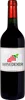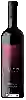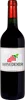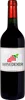
Winery CapoStellae Taurus
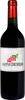
 Red wine


This wine is a blend of 3 varietals which are the Cabernet franc, the Cabernet-Sauvignon and the Merlot.
This wine generally goes well with pork, poultry or beef.

Wine flavors and olphactive analysis



On the nose the Stellae Taurus of Winery Capo in the region of Istra often reveals types of flavors of oak, black fruit.
Food and wine pairings with Stellae Taurus
Pairings that work perfectly with Stellae Taurus



Original food and wine pairings with Stellae Taurus



The Stellae Taurus of Winery Capo matches generally quite well with dishes of beef, lamb or pork such as recipes of barbecue burger, fried vegetables with merguez and chipo or rabbit in sauce.
Details and technical informations about Winery Capo's Stellae Taurus.
Discover the grape variety: Cabernet franc
Supple, fragrant reds with fine tannins and vibrant freshness, showing raspberry, violet, green pepper, pencil lead and gentle spice aromas. Star of the Loire as a single variety (Chinon, Bourgueil, Saumur-Champigny) and of the right bank of Bordeaux in blends (Cheval Blanc at 60%). Also in semi-dry Anjou rosés. A historic Bordeaux variety, parent of Cabernet-Sauvignon, Merlot and Carmenère.
Last vintages of this wine

The best vintages of Stellae Taurus from Winery Capo are 2011, 0, 2009
Informations about the Winery Capo
The Winery Capo is one of of the world's greatest estates. It offers 11 wines for sale in the of Istra to come and discover on site or to buy online.

The wine region of Istra
Istrian peninsula on the Adriatic, Croatia's smallest wine region but one of its most renowned. Signature Malvazija Istarska (50-70%): expressive, lively whites with notes of acacia, green apple, citrus, fresh almond and marked saline minerality - a perfect match with seafood. Native Teran in tannic, tangy red (blackberry, blood, earth), a unique profile. Also dense Refošk, round Merlot.
The word of the wine: Food and wine pairing
It is the set of techniques that allow for the pleasant combination of food and wine. Food and wine pairing is based on a few basic principles, such as similarity, complementarity or contrast, and involves all the elements that make up the wine and the food (flavours, textures, aromas, etc.).