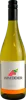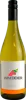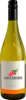
Winery Cantine LizzanoBaylon 175 Bianco Frizzante
 wine
wine
This wine generally goes well with
The Baylon 175 Bianco Frizzante of the Winery Cantine Lizzano is in the top 0 of wines of Salento.

Details and technical informations about Winery Cantine Lizzano's Baylon 175 Bianco Frizzante.
Discover the grape variety: Doukkali
Lively, fruity whites for early drinking, with a pale golden hue, light palate and moderate acidity, showing aromas of citrus, white-fleshed fruits (peach) and Mediterranean notes. Profile well suited to hot, dry climates. Increasingly rare, it bears witness to Morocco's viticultural heritage and the adaptation of local grape varieties. Native Moroccan white grape, grown mainly in the Doukkala region south of Casablanca.
Informations about the Winery Cantine Lizzano
The Winery Cantine Lizzano is one of of the world's great estates. It offers 47 wines for sale in the of Salento to come and discover on site or to buy online.

The wine region of Salento
Heel of the Italian boot, sunny and generous vineyard. Fleshy reds: signature Negroamaro ("black-bitter") deep and sturdy, notes of black cherry, plum, spices and a characteristic bitter finish, star in Salice Salentino DOC. Opulent jammy Primitivo di Manduria (= Zinfandel) with notes of black fruits, chocolate and raisin. Supple Malvasia Nera.
The wine region of Puglia
Heel of the boot, 80% red vineyard, sunny and generous. Fleshy, jammy Primitivo (= Zinfandel) with notes of black cherry, plum, chocolate and spices, powerful alcohol and melted tannins, a star in Primitivo di Manduria. Deep, structured Negroamaro (black-bitter) with a bitter finish in Salice Salentino. Structured Nero di Troia, spicy Susumaniello.
The word of the wine: Bouchy
See cabernet franc.