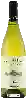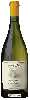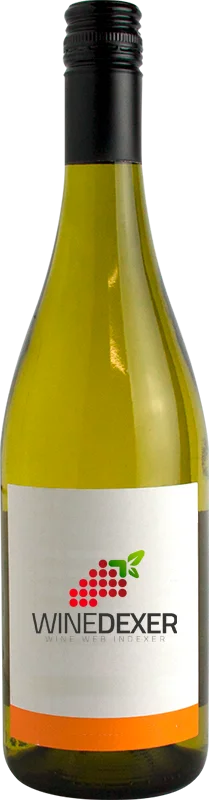
Winery Cantine Bettona - VetvnnaTrebbiano
 White wine


In the mouth this white wine is a with a nice freshness.
This wine generally goes well with vegetarian, appetizers and snacks or lean fish.
Taste structure of the Trebbiano from the Winery Cantine Bettona - Vetvnna
Light | Bold | |
Dry | Sweet | |
Soft | Acidic |
In the mouth the Trebbiano of Winery Cantine Bettona - Vetvnna in the region of Umbria is a with a nice freshness.
Food and wine pairings with Trebbiano
Pairings that work perfectly with Trebbiano



Original food and wine pairings with Trebbiano


The Trebbiano of Winery Cantine Bettona - Vetvnna matches generally quite well with dishes of pasta, vegetarian or appetizers and snacks such as recipes of lasagna with pointed cabbage, zucchini quiche or baked chestnuts.
Details and technical informations about Winery Cantine Bettona - Vetvnna's Trebbiano.
Discover the grape variety: Couderc noir
Natural interspecific crossing between Jaeger 70 (Vitis Rupestris x Vitis Lincecumii) and an unknown Vitis Vinifera discovered by Eugène Contassot, the seeds from this crossing having been offered to/seeded by Georges Couderc. This direct-producing hybrid was the most widely planted, particularly in the south of France. There are still a few strains in production today, but it is practically no longer multiplied, although it is registered in the Official Catalogue of Vine Varieties, list A1. - Synonymy: Couderc 7120, Contassot 20 (for all the synonyms of the varieties, click here!).
Last vintages of this wine
The best vintages of Trebbiano from Winery Cantine Bettona - Vetvnna are 2017, 0
Informations about the Winery Cantine Bettona - Vetvnna
The Winery Cantine Bettona - Vetvnna is one of of the world's great estates. It offers 32 wines for sale in the of Umbria to come and discover on site or to buy online.

The wine region of Umbria
Umbria, in CentralItaly, is a region of lush hills, hilltop villages and iconic historic towns. The latter are exemplified by Orvieto and Assisi. At the very heart of the Italian peninsula, it is surrounded by Tuscany, Marche and Lazio. It is in fact the only Italian region without a coastline or international border.
The word of the wine: Density per hectare
Number of vines per hectare. For the same yield, a vine planted with 3,000 vines per hectare bears many more bunches (per vine) than a vine planted with 10,000. The grapes will therefore be less rich in sugar and polyphenols (tannins, aromas...).