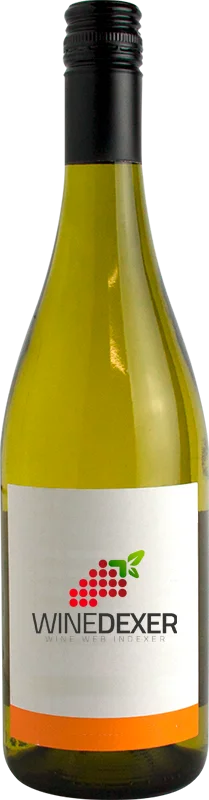
Winery Cantina Sociale di Antignano e di San Martino AlfieriCantina Sociale Cardellino Bianco
 White wine
This wine generally goes well with
Details and technical informations about Winery Cantina Sociale di Antignano e di San Martino Alfieri's Cantina Sociale Cardellino Bianco.
Discover the grape variety: Bombino blanc
This grape variety was originally cultivated in the south of Italy, in the region of Puglia to be precise. Today, it can be found in many other Italian wine regions, including Abruzzo, Lazio, Marche, Emilia-Romagna, etc. In France, it is almost unknown. It certainly has many relatives of Italian origin, known or less known, without us being able to cite them with certainty, especially since we find identical synonyms for them. However, we can affirm that the Trebbiano of Abruzzo is not the white Bombino and that the black Bombino is not related to the white.
Informations about the Winery Cantina Sociale di Antignano e di San Martino Alfieri
The Winery Cantina Sociale di Antignano e di San Martino Alfieri is one of of the world's greatest estates. It offers 7 wines for sale in the of Asti to come and discover on site or to buy online.

The wine region of Asti
The wine region of Asti is located in the region of Piémont of Italy. We currently count 468 estates and châteaux in the of Asti, producing 707 different wines in conventional, organic and biodynamic agriculture. The wines of Asti go well with generally quite well with dishes .
The wine region of Piedmont
Piedmont (Piemonte) holds an unrivalled place among the world's finest wine regions. Located in northwestern Italy, it is home to more DOCG wines than any other Italian region, including such well-known and respected names as Barolo, Barbaresco and Barbera d'Asti. Though famous for its Austere, Tannic, Floral">floral reds made from Nebbiolo, Piedmont's biggest success story in the past decade has been Moscato d'Asti, a Sweet, Sparkling white wine. Piedmont Lies, as its name suggests, at the foot of the Western Alps, which encircle its northern and western sides and form its naturally formidable border with Provence, France.
The word of the wine: Musky
Characteristic of the musk smell.