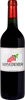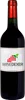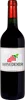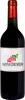
Winery Cantina di MontefiasconeMoscatello Frizzante Amabile
 Sparkling wine


This wine generally goes well with sweet desserts
Food and wine pairings with Moscatello Frizzante Amabile
Pairings that work perfectly with Moscatello Frizzante Amabile

Original food and wine pairings with Moscatello Frizzante Amabile
The Moscatello Frizzante Amabile of Winery Cantina di Montefiascone matches generally quite well with dishes of sweet desserts such as recipes of express cherry clafoutis.
Details and technical informations about Winery Cantina di Montefiascone's Moscatello Frizzante Amabile.
Discover the grape variety: Parellada
The white Parellada is a grape variety that originated in France (Spain). It produces a variety of grape specially used for the elaboration of wine. It is rare to find this grape to eat on our tables. This variety of grape is characterized by large bunches of grapes of medium size. The white Parellada can be found cultivated in these vineyards: Languedoc & Roussillon, South West.
Last vintages of this wine
The best vintages of Moscatello Frizzante Amabile from Winery Cantina di Montefiascone are 0
Informations about the Winery Cantina di Montefiascone
The Winery Cantina di Montefiascone is one of of the world's greatest estates. It offers 37 wines for sale in the of Lazio to come and discover on site or to buy online.

The wine region of Lazio
Lazio is a region in CentralItaly, where the ancient capital of Rome is located. The region's reputation is based primarily on its white wines, the main varieties of which are Trebbiano, Malvasia di Candia and Malvasia Puntinata. Traditionally, these wines were fat, Round, abboccato and intended for immediate consumption. Today, the styles are lighter, drier and crisper thanks to modern winemaking methods.
The word of the wine: Cuvée
Often followed by a name that allows for recognition and identification, the word "cuvée" designates a specific wine within the production of a winemaker. This wine is characterized by a specific grape variety, a type of maturation and an organoleptic profile. All the vintages of a domain constitute a range.