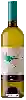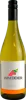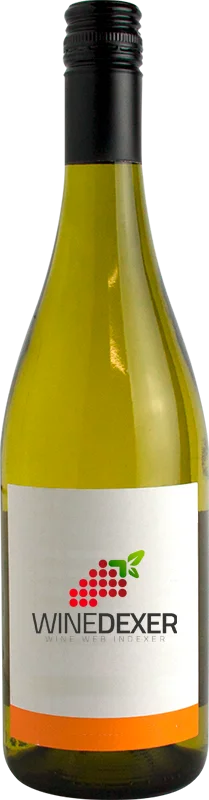
Winery Cantina Colline del ChiantiPoggio Rotondo Bianco di Toscana
 White wine


In the mouth this white wine is a with a nice freshness.
This wine generally goes well with vegetarian, appetizers and snacks or lean fish.
Taste structure of the Poggio Rotondo Bianco di Toscana from the Winery Cantina Colline del Chianti
Light | Bold | |
Dry | Sweet | |
Soft | Acidic |
In the mouth the Poggio Rotondo Bianco di Toscana of Winery Cantina Colline del Chianti in the region of Tuscany is a with a nice freshness.
Food and wine pairings with Poggio Rotondo Bianco di Toscana
Pairings that work perfectly with Poggio Rotondo Bianco di Toscana



Original food and wine pairings with Poggio Rotondo Bianco di Toscana


The Poggio Rotondo Bianco di Toscana of Winery Cantina Colline del Chianti matches generally quite well with dishes of pasta, vegetarian or appetizers and snacks such as recipes of very simple spaghetti carbonara, goat cheese and bacon quiche or bread with cheese and bacon.
Details and technical informations about Winery Cantina Colline del Chianti's Poggio Rotondo Bianco di Toscana.
Discover the grape variety: Maturana blanca
A very old Spanish grape variety, particularly known in the Rioja region. It can be found in Italy, Portugal, Mexico, etc. In France, it is practically unknown. D.N.A. analyses have shown that it is not related to Maturana Tinta de Navarrete.
Last vintages of this wine

The best vintages of Poggio Rotondo Bianco di Toscana from Winery Cantina Colline del Chianti are 2017, 0
Informations about the Winery Cantina Colline del Chianti
The Winery Cantina Colline del Chianti is one of of the world's great estates. It offers 10 wines for sale in the of Tuscany to come and discover on site or to buy online.

The wine region of Tuscany
Tuscany is one of the most famous and prolific wine regions in Europe. It is best known for its Dry red wines made from Sangiovese grapes, which dominate production. These include Chianti, Brunello di Montalcino and Vino Nobile di Montepulciano. The region's Vin Santo is also highly prized, as are its passito dessert wines, though these are produced in comparatively tiny quantities.
The word of the wine: Performance
Quantity of grapes harvested per hectare. In AOC, the average yield is limited on the proposal of the appellation syndicate, validated by the Inao. The use of high-performance plant material (especially clones) and better control of vine diseases have increased yields. This is not without consequences on the quality of the wines (dilution) and on the state of the market (too much wine). We must not over-simplify: low yields are not synonymous with quality, and it is often in years with generous harvests that we find the greatest vintages (1982 and 1986 in Bordeaux, 1996 in Champagne, 1990 and 2005 in Burgundy...).