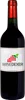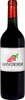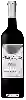
Winery Caminhos CruzadosMalva Tinto
 Red wine



In the mouth this red wine is a powerful with a nice balance between acidity and tannins.
This wine generally goes well with poultry, beef or game (deer, venison).

Taste structure of the Malva Tinto from the Winery Caminhos Cruzados
Light | Bold | |
Smooth | Tannic | |
Dry | Sweet | |
Soft | Acidic |
In the mouth the Malva Tinto of Winery Caminhos Cruzados in the region of Beiras is a powerful with a nice balance between acidity and tannins.
Food and wine pairings with Malva Tinto
Pairings that work perfectly with Malva Tinto



Original food and wine pairings with Malva Tinto

The Malva Tinto of Winery Caminhos Cruzados matches generally quite well with dishes of beef, lamb or game (deer, venison) such as recipes of pork shoulder with mustard, lamb tagine with prunes or duck leg confit in white wine.
Details and technical informations about Winery Caminhos Cruzados's Malva Tinto.
Discover the grape variety: Bastardo
Supple, fruity reds with a clear ruby robe, silky tannins and a fresh, airy palate, with signature aromas of red fruits (cherry, raspberry), gentle spices and floral notes. Adds freshness and delicacy to blends. Traditionally used in Port, Madeira and Dão reds. Portuguese synonym for the Jura's Trousseau according to DNA analysis; indigenous black variety of the Douro and Dão.
Last vintages of this wine
The best vintages of Malva Tinto from Winery Caminhos Cruzados are 2017, 0
Informations about the Winery Caminhos Cruzados
The Winery Caminhos Cruzados is one of of the world's greatest estates. It offers 16 wines for sale in the of Dão to come and discover on site or to buy online.

The wine region of Dão
"Burgundy of Portugal": elegance and finesse at altitude. Signature Touriga Nacional as red: deep and perfumed with signature notes of violet, blackberry, black cherry, bergamot and pine resin, fine tannins and freshness drawn taut. Blended with fruity Alfrocheiro, supple Jaen (Mencía) and structured Tinta Roriz. Encruzado whites, a Portuguese reference: ample and mineral (pear, honey, hazelnut, age-worthy).
The wine region of Beiras
Vast region of north-central Portugal, a fragmented mosaic of distinct sub-regions. In the west, Bairrada makes dense Baga reds with notes of black cherry, blackberry and leather, firm tannins — the base of the great Portuguese sparkling wines. In the centre, Dao produces fine Touriga Nacional reds (violet, raspberry, spice) and elegant Encruzado whites (flowers, citrus, butter). To the continental east, fleshy Touriga of Beira Interior and aromatic Fernao Pires.
The word of the wine: Aging
Period during which a wine is kept in a cellar where it goes through different phases of evolution of its aromatic range and a maturation of its constituents (evolution of the colour, refining of the tannins, harmonization of the different flavours, etc.). The wine evolves better and less quickly in large containers, whereas it deteriorates prematurely in half-bottles.