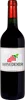
Winery Calorio FilippinoDolcetto D'Alba
 Red wine
In the mouth this red wine is a powerful.
This wine generally goes well with beef, game (deer, venison) or lamb.

Taste structure of the Dolcetto D'Alba from the Winery Calorio Filippino
Light | Bold | |
Smooth | Tannic | |
Dry | Sweet | |
Soft | Acidic |
In the mouth the Dolcetto D'Alba of Winery Calorio Filippino in the region of Piedmont is a powerful.
Food and wine pairings with Dolcetto D'Alba
Pairings that work perfectly with Dolcetto D'Alba



Original food and wine pairings with Dolcetto D'Alba

The Dolcetto D'Alba of Winery Calorio Filippino matches generally quite well with dishes of beef, pasta or lamb such as recipes of cataplana with seafood, lasagne bolognaise (mascarpone) or lamb kleftiko (greek).
Details and technical informations about Winery Calorio Filippino's Dolcetto D'Alba.
Discover the grape variety: Mara
Light, fruity reds with a clear ruby robe, smooth tannins and a supple palate of simple red fruits (raspberry, strawberry, cherry), gentle spices and floral notes. A thirst-quenching profile to drink young. Once grown in the South-West, now nearly extinct, preserved in INRAE varietal collections for its genetic value. A rare French grape, witness to the pre-phylloxera ampelographic diversity of the South-West.
Informations about the Winery Calorio Filippino
The Winery Calorio Filippino is one of of the world's greatest estates. It offers 7 wines for sale in the of Piedmont to come and discover on site or to buy online.

The wine region of Piedmont
Kingdom of Nebbiolo: Barolo and Barbaresco DOCG, long-ageing reds with firm tannins and lively acidity, complex aromas of withered rose, sour cherry, tar, truffle and undergrowth. More accessible, tangy Barbera on red fruit, supple, crisp Dolcetto. Sweet, floral sparkling Moscato d'Asti, mineral, lemony Gavi (Cortese) white, round, almondy Arneis from Roero. 50,000 ha across the Langhe, Roero and Monferrato, UNESCO.
The word of the wine: Arching
A stage in the vegetative cycle of the vine that occurs after the leaves have fallen and is characterized by the drying out of the soft shoots, which are transformed into hard shoots by lignification.