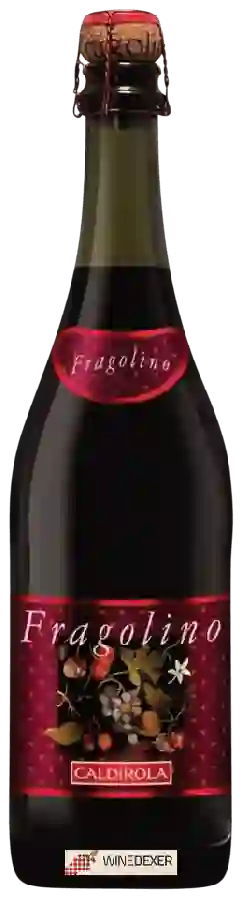
Winery CaldirolaFragolino
 Sparkling wine



This wine generally goes well with

Details and technical informations about Winery Caldirola's Fragolino.
Discover the grape variety: Ignéa
Simple, dry grey-white wines with a pale rosé hue and coppery skin, a supple palate with moderate acidity, showing understated aromas of citrus and white flowers. Rustic southern profile. Almost disappeared from commercial cultivation, preserved in INRAE varietal collections, it testifies to the pre-phylloxera ampelographic diversity of the southern vineyard. Native French grey variety, formerly grown in the south-east.
Last vintages of this wine
The best vintages of Fragolino from Winery Caldirola are 0
Informations about the Winery Caldirola
The Winery Caldirola is one of of the world's greatest estates. It offers 86 wines for sale in the of Piedmont to come and discover on site or to buy online.

The wine region of Piedmont
Kingdom of Nebbiolo: Barolo and Barbaresco DOCG, long-ageing reds with firm tannins and lively acidity, complex aromas of withered rose, sour cherry, tar, truffle and undergrowth. More accessible, tangy Barbera on red fruit, supple, crisp Dolcetto. Sweet, floral sparkling Moscato d'Asti, mineral, lemony Gavi (Cortese) white, round, almondy Arneis from Roero. 50,000 ha across the Langhe, Roero and Monferrato, UNESCO.
The word of the wine: Farm
Wine dominated by a strong acidity and/or biting tannins. In this case, the components of the wine need to melt, i.e. to harmonize during the maturation in the cellar.