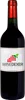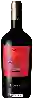
Winery Ca' del DogeRosso
 Red wine


In the mouth this red wine is a powerful.
This wine generally goes well with beef, game (deer, venison) or lamb.

Taste structure of the Rosso from the Winery Ca' del Doge
Light | Bold | |
Smooth | Tannic | |
Dry | Sweet | |
Soft | Acidic |
In the mouth the Rosso of Winery Ca' del Doge in the region of Veneto is a powerful.
Food and wine pairings with Rosso
Pairings that work perfectly with Rosso



Original food and wine pairings with Rosso

The Rosso of Winery Ca' del Doge matches generally quite well with dishes of beef, pasta or lamb such as recipes of savoyard matafans, cannelloni with brocciu from jeanne or lamb kleftiko (greek).
Details and technical informations about Winery Ca' del Doge's Rosso.
Discover the grape variety: Rhoditis
Fresh, fruity whites and light rosés best enjoyed young, with a pale salmon robe, an airy palate with preserved acidity, and signature aromas of citrus (lemon), green apple, white flowers and herbal notes. Also the traditional base for resinated Retsina. Grown in the Peloponnese, Macedonia and Attica for modern dry Greek whites. Greek autochthonous grey grape with pink skin, one of the most planted varieties in Greece.
Last vintages of this wine
The best vintages of Rosso from Winery Ca' del Doge are 2017, 0
Informations about the Winery Ca' del Doge
The Winery Ca' del Doge is one of of the world's greatest estates. It offers 24 wines for sale in the of Veneto to come and discover on site or to buy online.

The wine region of Veneto
World star of Prosecco: fresh, light Glera sparklers with notes of pear, green apple and white flowers, fruity, convivial bubbles. Veronese reds from Corvina and Rondinella: light, crisp Bardolino, fruity Valpolicella, opulent, concentrated Amarone DOCG (black cherry, chocolate, raisin) from dried grapes. Mineral, almondy Soave (Garganega) whites, fresh Pinot Grigio. 97,500 ha, Italy's largest production.
The word of the wine: Performance
Quantity of grapes harvested per hectare. In AOC, the average yield is limited on the proposal of the appellation syndicate, validated by the Inao. The use of high-performance plant material (especially clones) and better control of vine diseases have increased yields. This is not without consequences on the quality of the wines (dilution) and on the state of the market (too much wine). We must not over-simplify: low yields are not synonymous with quality, and it is often in years with generous harvests that we find the greatest vintages (1982 and 1986 in Bordeaux, 1996 in Champagne, 1990 and 2005 in Burgundy...).