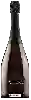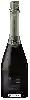
Winery Ca’ d’OrSanta Giulia Satén Franciacorta
 Sparkling wine


This wine generally goes well with

Details and technical informations about Winery Ca’ d’Or's Santa Giulia Satén Franciacorta.
Discover the grape variety: Mondeuse noire
Structured and elegant reds with a deep ruby colour, firm tannins and fresh alpine acidity, on aromas of black fruits (blackcurrant, blackberry), violet, pepper, spices and characteristic menthol notes. Fine ageing potential on marl-limestone terroirs. Star of the great crus of Vin de Savoie AOC (Arbin, Saint-Jean-de-la-Porte, Chignin), producing the identity alpine reds. Savoyard native variety, sometimes linked to Refosco dal Peduncolo Rosso from Friuli.
Last vintages of this wine
The best vintages of Santa Giulia Satén Franciacorta from Winery Ca’ d’Or are 0
Informations about the Winery Ca’ d’Or
The Winery Ca’ d’Or is one of of the world's great estates. It offers 23 wines for sale in the of Franciacorta to come and discover on site or to buy online.

The wine region of Franciacorta
The Italian Champagne, the country's largest DOCG zone for classic-method sparklers. Fine, refined bubbles with signature notes of green apple, citrus, brioche, toasted almond and white flowers, taut and creamy finish (18 months minimum on lees, up to 60 for Riserva). Based on dominant Chardonnay, Pinot Noir for structure, Pinot Blanc for roundness. Satèn (low pressure, silky) and fruity rosé versions.
The wine region of Lombardia
Three poles. Franciacorta DOCG, Italy's answer to Champagne: elegant brioche traditional-method sparklers (Chardonnay, Pinot Noir, Pinot Blanc), fine bubble and mineral profile. Alpine Valtellina: Nebbiolo (alias Chiavennasca) with fine tannins and red fruits, powerful Sforzato passito. Oltrepò Pavese: fresh Pinot Noir and fruity-sparkling Bonarda.
The word of the wine: Disgorging (champagne)
This is the evacuation of the deposit formed by the yeasts during the second fermentation in the bottle, by opening the bottle. The missing volume is completed with the liqueur de dosage - a mixture of wine and cane sugar - before the final cork is placed. For some years now, some producers have been replacing this sugar with rectified concentrated musts (concentrated grape juice) which give excellent results. A too recent dosage (less than three months) harms the gustatory harmony of the champagne.