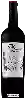
Winery BrugnoniUmbria Oinos Rosso
 Red wine
In the mouth this red wine is a powerful with a nice balance between acidity and tannins.
This wine generally goes well with poultry, beef or veal.

Taste structure of the Umbria Oinos Rosso from the Winery Brugnoni
Light | Bold | |
Smooth | Tannic | |
Dry | Sweet | |
Soft | Acidic |
In the mouth the Umbria Oinos Rosso of Winery Brugnoni in the region of Umbria is a powerful with a nice balance between acidity and tannins.
Food and wine pairings with Umbria Oinos Rosso
Pairings that work perfectly with Umbria Oinos Rosso



Original food and wine pairings with Umbria Oinos Rosso

The Umbria Oinos Rosso of Winery Brugnoni matches generally quite well with dishes of beef, pasta or veal such as recipes of beef bobotie, tagliatelle with spinach cream or roast veal in the oven.
Details and technical informations about Winery Brugnoni's Umbria Oinos Rosso.
Discover the grape variety: Tibouren
Elegant, complex rosés with a pale salmon robe, airy palate and fresh acidity, showing refined aromas of red fruits (strawberry, raspberry), garrigue, Mediterranean herbs, white flowers and characteristic saline, iodine notes. Also vinified as light, fragrant reds. Star of Provence's great rosés from Côtes de Provence AOC (Cru Classé, Saint-Tropez area). Autochthonous Provençal variety from the Var, likely imported from the Middle East by ancient Phocaean sailors.
Informations about the Winery Brugnoni
The Winery Brugnoni is one of of the world's greatest estates. It offers 7 wines for sale in the of Umbria to come and discover on site or to buy online.

The wine region of Umbria
"Green heart" of Italy, cradle of Sagrantino: exceptional tannic red in Sagrantino di Montefalco DOCG, dense and concentrated with notes of blackberry, candied plum, liquorice, spice and leather, powerful tannins and long ageing. Suppler Sangiovese in blends, Cabernet and Merlot in Torgiano DOCG. Orvieto whites based on Grechetto and Trebbiano, full and almondy, from dry to sweet Muffato. ~13,000 ha between Tuscany and Lazio.
The word of the wine: Residual sugars
Sugars not transformed into alcohol and naturally present in the wine. The perception of residual sugars is conditioned by the acidity of the wine. The more acidic the wine is, the less sweet it will seem, given the same amount of sugar.