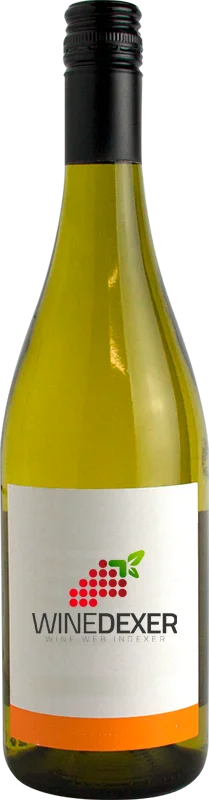
Winery BrezzoMoscato d'Asti
 White wine
This wine generally goes well with fruity desserts and aperitif.

Food and wine pairings with Moscato d'Asti
Pairings that work perfectly with Moscato d'Asti


Original food and wine pairings with Moscato d'Asti
The Moscato d'Asti of Winery Brezzo matches generally quite well with dishes of fruity desserts or aperitif such as recipes of grandma's cherry clafoutis or hummus (chickpea puree).
Details and technical informations about Winery Brezzo's Moscato d'Asti.
Discover the grape variety: Ruby-cabernet
Deeply coloured, structured reds with a deep ruby robe, smooth tannins and preserved acidity under warm conditions, with aromas of blackcurrant, blackberry, plum, spice and blackcurrant-leaf herbal notes. Round palate, fruity finish. Productive and heat-tolerant, it produces high-volume reds in California (Central Valley), South Africa, Australia, Argentina, Mexico and Israel. Californian variety created in 1936 by Harold Olmo at UC Davis (Cabernet Sauvignon × Carignan).
Informations about the Winery Brezzo
The Winery Brezzo is one of of the world's greatest estates. It offers 2 wines for sale in the of Asti to come and discover on site or to buy online.

The wine region of Asti
Italian capital of sweet, aromatic sparklers. Signature Asti DOCG: light, muscat-scented sparklers from Moscato Bianco with signature notes of fresh grape, peach, apricot, orange blossom and sage, opulent yet balanced sweetness, low alcohol (~7%) — a dessert treat. Moscato d'Asti a more delicate, slightly fizzy (frizzante) version. Also lively, fruity Barbera reds, peppery Grignolino and sweet, musky Brachetto d'Acqui.
The wine region of Piedmont
Kingdom of Nebbiolo: Barolo and Barbaresco DOCG, long-ageing reds with firm tannins and lively acidity, complex aromas of withered rose, sour cherry, tar, truffle and undergrowth. More accessible, tangy Barbera on red fruit, supple, crisp Dolcetto. Sweet, floral sparkling Moscato d'Asti, mineral, lemony Gavi (Cortese) white, round, almondy Arneis from Roero. 50,000 ha across the Langhe, Roero and Monferrato, UNESCO.
The word of the wine: Discharge
In the traditional method, elimination of the yeast deposit formed during the second fermentation in the bottle.