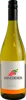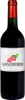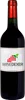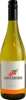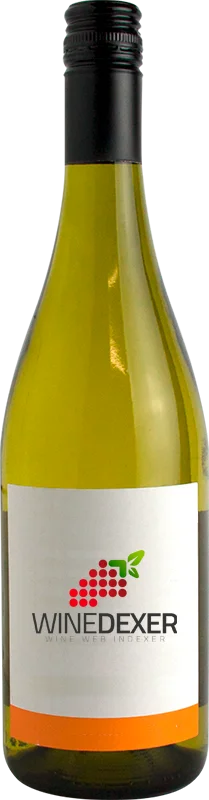
Bratanov Winery & VineyardsTamianka Late Harvest
 Sweet wine
This wine generally goes well with spicy food and sweet desserts.
The Tamianka Late Harvest of the Bratanov Winery & Vineyards is in the top 30 of wines of Haskovo.
Food and wine pairings with Tamianka Late Harvest
Pairings that work perfectly with Tamianka Late Harvest


Original food and wine pairings with Tamianka Late Harvest
The Tamianka Late Harvest of Bratanov Winery & Vineyards matches generally quite well with dishes of spicy food or sweet desserts such as recipes of chicken fajitas or the coughing cat's apple crumble.
Details and technical informations about Bratanov Winery & Vineyards's Tamianka Late Harvest.
Discover the grape variety: Chancellor
Cross between 5163 Seibel (2 Gaillard x 2510 Seibel) and 880 Seibel (28112 Couderc x 2003 Seibel) obtained by Albert Seibel (1844-1936). It was the first direct-producing hybrid cultivated in France and has now practically disappeared. It can still be found in a few old vines in the form of isolated strains. It can be found in the United States (New York, etc.) and in Canada, where it is part of the grape varieties grown on a large number of vineyards.
Informations about the Bratanov Winery & Vineyards
The Bratanov Winery & Vineyards is one of of the world's great estates. It offers 19 wines for sale in the of Haskovo to come and discover on site or to buy online.

The wine region of Haskovo
The wine region of Haskovo of Bulgaria. Wineries and vineyards like the Bratanov Winery & Vineyards or the Bratanov Winery & Vineyards produce mainly wines red, pink and white. The most planted grape varieties in the region of Haskovo are Merlot, Cabernet-Sauvignon and Cabernet franc, they are then used in wines in blends or as a single variety. On the nose of Haskovo often reveals types of flavors of coffee, non oak or oak and sometimes also flavors of earth, vegetal or spices.
The word of the wine: Aging on lees
Maturing on the lees enhances the stability, aromatic complexity and texture of white wines, which gain in body and volume. This phenomenon is induced by autolysis, the process of self-degradation of the lees.