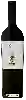
Winery BraschiBrut
 wine
wine
This wine generally goes well with
The Brut of the Winery Braschi is in the top 0 of wines of Rubicone.

Details and technical informations about Winery Braschi's Brut.
Discover the grape variety: Centennial seedless
Table grape with long bunches and elongated golden seedless (pipless) berries, thin skin and crunchy flesh with a pleasant sweet flavour. Early ripening and productive. Very rarely vinified. Grown in California, Chile, South Africa and Australia for export markets, prized for its attractive appearance and good shelf life. American seedless white table grape variety, developed in California in 1980.
Informations about the Winery Braschi
The Winery Braschi is one of of the world's great estates. It offers 25 wines for sale in the of Rubicone to come and discover on site or to buy online.

The wine region of Rubicone
Vast Emilia-Romagna IGT (Forli-Cesena, Ravenna, Rimini): signature Sangiovese as accessible king red — robust and fruity with notes of ripe red fruit (cherry, plum), violet, liquorice and a touch of spice, round tannins and a gourmet finish. Lively Barbera as complement. Trebbiano (Romagnolo and Toscano) as king white — fresh and light with notes of green apple, white flowers and citrus, tonic acidity. Pinot Bianco as complement.
The wine region of Emilia-Romagna
Kingdom of Lambrusco: fresh, fruity sparkling reds (blackberry, cherry, violet), from gourmet dry to convivial off-dry, perfect with local charcuterie. World's best-selling sparkling wine on the Emilia side (Sorbara, Grasparossa, Salamino). East, Romagna: supple fruity Sangiovese, Albana (Italy's 1st white DOCG, 1987) ample and almondy. Also red Gutturnio and white Pignoletto.
The word of the wine: Cordon de Royat (size in)
Short trellised pruning with one or two horizontal arms stretched over a wire. Very suitable for mechanization, it offers a very good exposure of the bunches as well as an excellent aeration.