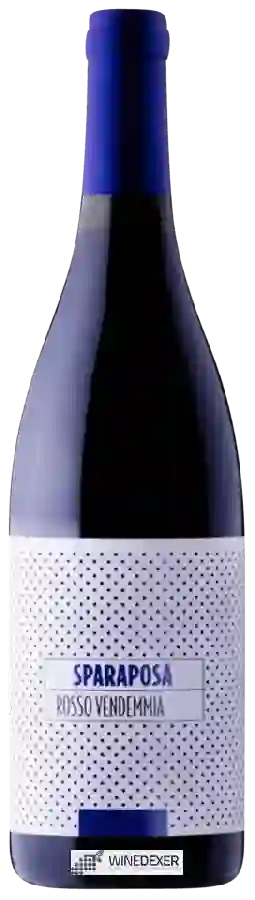
Winery BramaSparaposa Rosso
 Red wine



In the mouth this red wine is a powerful with a nice freshness.
This wine generally goes well with pork, poultry or veal.

Taste structure of the Sparaposa Rosso from the Winery Brama
Light | Bold | |
Smooth | Tannic | |
Dry | Sweet | |
Soft | Acidic |
In the mouth the Sparaposa Rosso of Winery Brama in the region of Campania is a powerful with a nice freshness.
Food and wine pairings with Sparaposa Rosso
Pairings that work perfectly with Sparaposa Rosso



Original food and wine pairings with Sparaposa Rosso


The Sparaposa Rosso of Winery Brama matches generally quite well with dishes of pasta, veal or pork such as recipes of soy and shrimp noodles, meatballs catalan style or tomatoes stuffed with sausage meat.
Details and technical informations about Winery Brama's Sparaposa Rosso.
Discover the grape variety: Vlachiko
Light, fruity reds with a clear ruby robe, silky tannins and a supple palate, with signature aromas of red fruits (cherry, raspberry), soft spices and Epirote floral notes. Also made as lively, refreshing sparkling rosés. Often blended with Debina and Bekari, it is the signature of Zitsa PDO reds and rosés in north-western Greece. Native Greek black grape from Epirus.
Last vintages of this wine
The best vintages of Sparaposa Rosso from Winery Brama are 0, 2014
Informations about the Winery Brama
The Winery Brama is one of of the world's greatest estates. It offers 9 wines for sale in the of Campania to come and discover on site or to buy online.

The wine region of Campania
Cradle of southern Italy's great wines on volcanic soils. Majestic Aglianico in red: structured, deep and tannic with notes of black cherry, candied plum, leather and spices, sublimated in age-worthy Taurasi DOCG, the "Barolo of the south". Identity whites of Irpinia: opulent Fiano di Avellino (honey, hazelnut), mineral iodine Greco di Tufo, aromatic Falanghina (peach, flowers). Also supple Piedirosso.
The word of the wine: Discharge
Action consisting of removing suspended particles (sludge) from the must.