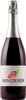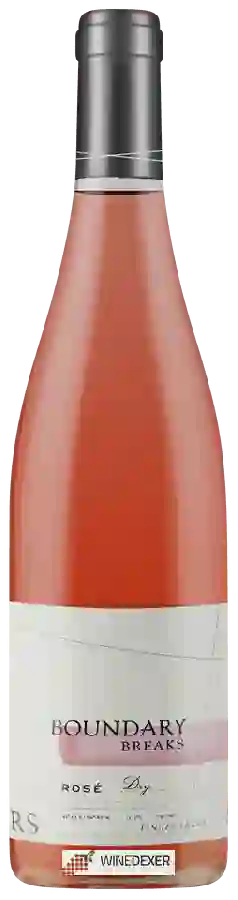
Winery Boundary BreaksDry Rosé
 Pink wine



This wine generally goes well with
The Dry Rosé of the Winery Boundary Breaks is in the top 90 of wines of Finger Lakes.
Wine flavors and olphactive analysis

On the nose the Dry Rosé of Winery Boundary Breaks in the region of New York often reveals types of flavors of red fruit.
Details and technical informations about Winery Boundary Breaks's Dry Rosé.
Discover the grape variety: Caino blanco
Natural intraspecific crossing probably between the albarino and the sousão - synonyms black amaral, caino bravo, ... -. It should not be confused with the fernao pires as they both have the same synonym alvarinhao. It can be found in the northwest of Spain and in Portugal, more precisely in the Vinhos Verdes region, ... in France it is totally unknown.
Last vintages of this wine
The best vintages of Dry Rosé from Winery Boundary Breaks are 2018, 0
Informations about the Winery Boundary Breaks
The Winery Boundary Breaks is one of of the world's great estates. It offers 18 wines for sale in the of Finger Lakes to come and discover on site or to buy online.

The wine region of Finger Lakes
The wine region of Finger Lakes is located in the region of New York of United States. We currently count 165 estates and châteaux in the of Finger Lakes, producing 1354 different wines in conventional, organic and biodynamic agriculture. The wines of Finger Lakes go well with generally quite well with dishes .
The wine region of New York
New York may not be particularly famous for its wines, but the state is home to a significant number of vineyards and wineries. It ranks third among U. S. wine-producing states in terms of Volume produced, surpassed only by Washington State and of course California.
The word of the wine: Amylic
Aroma reminiscent of banana, candy, and sometimes nail polish, particularly present in primeur wines. The amylic taste is reminiscent of the aromas of industrial confectionery and does not reflect a great expression of terroir.