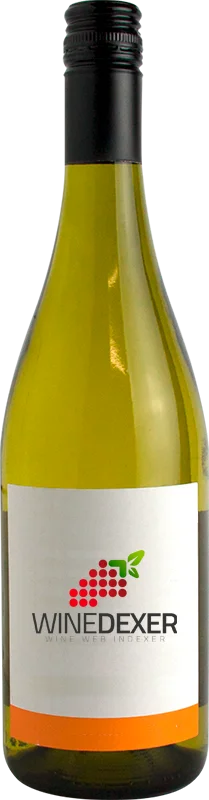
Maison BoueyBorderive Rouge Moelleux
 Sweet wine


This wine generally goes well with
Details and technical informations about Maison Bouey's Borderive Rouge Moelleux.
Discover the grape variety: Arinarnoa
Arinarnoa noir is a grape variety that originated in France (Languedoc). It produces a variety of grape specially used for wine making. It is rare to find this grape to eat on our tables. This variety of grape is characterized by large bunches of grapes of medium size. Arinarnoa noir can be found in several vineyards: South-West, Cognac, Bordeaux, Languedoc & Roussillon, Provence & Corsica, Rhone Valley, Loire Valley, Savoie & Bugey, Beaujolais, Armagnac.
Informations about the Maison Bouey
The Maison Bouey is one of of the world's great estates. It offers 509 wines for sale in the of Bordeaux Moelleux to come and discover on site or to buy online.

The wine region of Bordeaux Moelleux
A legendary wine, the great Sweet or syrupy white wines of Bordeaux are known throughout the world. It is in this category that we find the famous Sauternes and the famous Château d'Yquem considered as one of the best white wines in the world. Why such a reputation? It is partly due to the development of a microscopic fungus, Botrytis cinerea, which causes, when conditions are favourable, the famous noble rot. But in this region, it is not enough for the Grapes to be ripe to be harvested.
The wine region of Bordeaux
Bordeaux, in southwestern France, is one of the most famous, prestigious and prolific wine regions in the world. The majority of Bordeaux wines (nearly 90% of the production Volume) are the Dry, medium and Full-bodied red Bordeaux blends for which it is famous. The finest (and most expensive) are the wines of the great châteaux of Haut-Médoc and the right bank appellations of Saint-Émilion and Pomerol. The former focuses (at the highest level) on Cabernet Sauvignon, the latter on Merlot.
The word of the wine: Character
Said of a typical wine that stands out for its originality. Used in the plural, it refers to all the organoleptic components of a wine (flavours and tactile sensations).