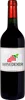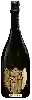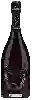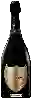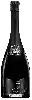
Winery BoothsChampagne Brut
 Sparkling wine


In the mouth this sparkling wine is a powerful with a nice vivacity and a fine and pleasant bubble.
This wine generally goes well with pork, rich fish (salmon, tuna etc) or shellfish.

Taste structure of the Champagne Brut from the Winery Booths
Light | Bold | |
Soft | Acidic | |
Gentle | Fizzy |
In the mouth the Champagne Brut of Winery Booths in the region of Champagne is a powerful with a nice vivacity and a fine and pleasant bubble.
Food and wine pairings with Champagne Brut
Pairings that work perfectly with Champagne Brut



Original food and wine pairings with Champagne Brut
The Champagne Brut of Winery Booths matches generally quite well with dishes of pork, rich fish (salmon, tuna etc) or shellfish such as recipes of new york hot dog, salmon steaks with lentils or paella for dummies (simple and delicious).
Details and technical informations about Winery Booths's Champagne Brut.
Discover the grape variety: Colombar
Light and lively whites for early drinking, pale golden colour, fresh mouth with preserved acidity, with signature aromas of citrus (lemon, grapefruit), green apple and fresh herbal notes. Also used as a base for brandy distillation. Widely grown in South Africa for everyday dry whites and brandy production. South African synonym for Colombard, productive French white grape from Charentes.
Informations about the Winery Booths
The Winery Booths is one of of the world's great estates. It offers 15 wines for sale in the of Champagne to come and discover on site or to buy online.

The wine region of Champagne
World benchmark sparkling wines: fine bubbles, citrusy tension, notes of brioche, toasted almond, white flowers and white-fleshed fruits after ageing on lees. Three grapes blended or solo: fleshy Pinot Noir (38%), fruity Meunier (33%), chiselled Chardonnay (28%). From straight Blanc de Blancs to vinous Blanc de Noirs, from non-vintage Brut to age-worthy Millésimé. AOC since 1927, 34,300 ha on chalk, 17 Grands Crus and 44 Premiers Crus.
The word of the wine: Tartar (deposit)
White, chalky deposits that occur as a result of precipitation inside bottles and are often considered by consumers as a defect. They are in fact tartaric salts formed by tartaric acid, potassium and calcium naturally present in the wine. This deposit does not alter the quality of the wine and can be eliminated by a simple decanting.