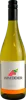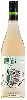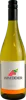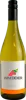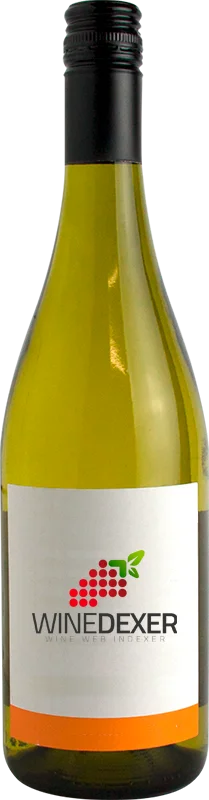
Bononia EstateGomotartzi Chardonnay - Pinot Gris
 White wine


This wine is a blend of 2 varietals which are the Chardonnay and the Pinot gris.
This wine generally goes well with pork, vegetarian or poultry.
Food and wine pairings with Gomotartzi Chardonnay - Pinot Gris
Pairings that work perfectly with Gomotartzi Chardonnay - Pinot Gris



Original food and wine pairings with Gomotartzi Chardonnay - Pinot Gris



The Gomotartzi Chardonnay - Pinot Gris of Bononia Estate matches generally quite well with dishes of pork, rich fish (salmon, tuna etc) or shellfish such as recipes of ham and cheese macaroni gratin, whole salmon in aromatic broth or violet omelette.
Details and technical informations about Bononia Estate's Gomotartzi Chardonnay - Pinot Gris.
Discover the grape variety: Chardonnay
The white Chardonnay is a grape variety that originated in France (Burgundy). It produces a variety of grape specially used for wine making. It is rare to find this grape to eat on our tables. This variety of grape is characterized by small bunches, and small grapes. White Chardonnay can be found in many vineyards: South West, Burgundy, Jura, Languedoc & Roussillon, Cognac, Bordeaux, Beaujolais, Savoie & Bugey, Loire Valley, Champagne, Rhone Valley, Armagnac, Lorraine, Alsace, Provence & Corsica.
Last vintages of this wine
The best vintages of Gomotartzi Chardonnay - Pinot Gris from Bononia Estate are 2016, 0
Informations about the Bononia Estate
The Bononia Estate is one of of the world's greatest estates. It offers 14 wines for sale in the of Thracian Valley to come and discover on site or to buy online.

The word of the wine: Thermoregulation
Control of the vinification temperatures (by circulating hot or cold water on the walls of the vats, for example). This is a major step forward, which in particular helps to preserve the freshness of the aromas threatened by excessive temperature rises during fermentation.