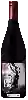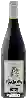
Winery Bonnet RougeCuvée Marianne
 Red wine



In the mouth this red wine is a with a nice freshness.
This wine generally goes well with pork, poultry or veal.

Taste structure of the Cuvée Marianne from the Winery Bonnet Rouge
Light | Bold | |
Smooth | Tannic | |
Dry | Sweet | |
Soft | Acidic |
In the mouth the Cuvée Marianne of Winery Bonnet Rouge in the region of Beaujolais is a with a nice freshness.
Food and wine pairings with Cuvée Marianne
Pairings that work perfectly with Cuvée Marianne



Original food and wine pairings with Cuvée Marianne

The Cuvée Marianne of Winery Bonnet Rouge matches generally quite well with dishes of pasta, veal or pork such as recipes of saffron pasta with prawns, braised veal heart with carrots or tartiflette.
Details and technical informations about Winery Bonnet Rouge's Cuvée Marianne.
Discover the grape variety: Domina
Colourful and structured reds with a deep purple colour, firm tannins and a full palate, offering signature aromas of black cherry, plum, liquorice and spicy notes. Also used to add body to blends. Grown in Franconia and the German Palatinate for characterful dry reds. German black variety obtained in 1927 at Geilweilerhof (Portugieser × Pinot Noir), early-ripening and productive.
Last vintages of this wine
The best vintages of Cuvée Marianne from Winery Bonnet Rouge are 2013
Informations about the Winery Bonnet Rouge
The Winery Bonnet Rouge is one of of the world's greatest estates. It offers 4 wines for sale in the of Beaujolais to come and discover on site or to buy online.

The wine region of Beaujolais
Kingdom of Gamay (98% of the vineyard): fruity, accessible reds with signature notes of cherry, raspberry, banana (carbonic maceration), violet and sweet spices, supple tannins and juicy acidity. From festive Beaujolais Nouveau (3rd Thursday of November) to the 10 more structured, age-worthy Crus: deep earthy Morgon, sturdy Moulin-à-Vent, floral Fleurie, crunchy Brouilly. Some lively Chardonnay. 12,000 ha south of Burgundy, granitic soils.
The word of the wine: Structure
Refers to both the structure and the overall constitution of a wine.