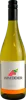
Winery Bonaventura MaschioCru Prime Uve Acquavite d'Uva Moscato Giallo
 wine
wine
This wine generally goes well with
The Cru Prime Uve Acquavite d'Uva Moscato Giallo of the Winery Bonaventura Maschio is in the top 0 of wines of Colli Euganei.

Details and technical informations about Winery Bonaventura Maschio's Cru Prime Uve Acquavite d'Uva Moscato Giallo.
Discover the grape variety: Verduzzo trevigiano
Lively and fruity whites for early drinking, pale golden colour, taut mouth with pronounced acidity, with signature aromas of green apple, citrus (lemon) and floral notes. Also made as Prosecco-style sparkling and frizzante. Often blended in Piave DOC and Conegliano wines. Verduzzo variety grown in Veneto, province of Treviso.
Informations about the Winery Bonaventura Maschio
The Winery Bonaventura Maschio is one of of the world's great estates. It offers 14 wines for sale in the of Colli Euganei to come and discover on site or to buy online.

The wine region of Colli Euganei
Venetian DOC south-west of Padua, volcanic hills with basalt and limestone soils (~1,300 ha). Accessible and varied palette. Supple reds: Bordeaux Cabernet Sauvignon and Merlot (blackcurrant, plum, herbs), peppery Carmenère, native Raboso tannic and tangy (black cherry, spices), aromatic Marzemino. Fresh whites: mineral Garganega (almond, flowers), aromatic Moscato Fior d'Arancio (orange, honey), local Pinella and Serprino.
The wine region of Veneto
World star of Prosecco: fresh, light Glera sparklers with notes of pear, green apple and white flowers, fruity, convivial bubbles. Veronese reds from Corvina and Rondinella: light, crisp Bardolino, fruity Valpolicella, opulent, concentrated Amarone DOCG (black cherry, chocolate, raisin) from dried grapes. Mineral, almondy Soave (Garganega) whites, fresh Pinot Grigio. 97,500 ha, Italy's largest production.
The word of the wine: Deposit
Solid particles that can naturally coat the bottom of a bottle of wine. It is rather a guarantee that the wine has not been mistreated: in fact, to avoid the natural deposit, rather violent processes of filtration or cold passage (- 7 or - 8 °C) are used in order to precipitate the tartar (the small white crystals that some people confuse with crystallized sugar: just taste to dissuade you from it)