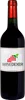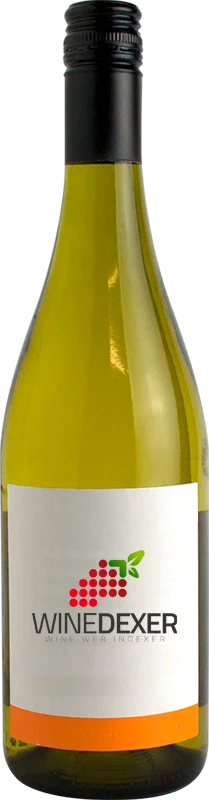
Winery BoissonneauChevalier Gouvion Bordeaux
 White wine
In the mouth this white wine is a powerful.
This wine generally goes well with pork, vegetarian or poultry.

Taste structure of the Chevalier Gouvion Bordeaux from the Winery Boissonneau
Light | Bold | |
Dry | Sweet | |
Soft | Acidic |
In the mouth the Chevalier Gouvion Bordeaux of Winery Boissonneau in the region of Bordeaux is a powerful.
Food and wine pairings with Chevalier Gouvion Bordeaux
Pairings that work perfectly with Chevalier Gouvion Bordeaux



Original food and wine pairings with Chevalier Gouvion Bordeaux


The Chevalier Gouvion Bordeaux of Winery Boissonneau matches generally quite well with dishes of pork, vegetarian or poultry such as recipes of the garbure, light tuna-tomato quiche (without cream) or chicken chop suey.
Details and technical informations about Winery Boissonneau's Chevalier Gouvion Bordeaux.
Discover the grape variety: Obaideh
Structured, aromatic dry whites with a pale golden colour, a full palate and preserved acidity, showing signature aromas of yellow fruits (pear, apricot), white flowers, citrus (lemon) and calcareous mineral notes. Good ageing potential. A traditional component of Lebanese arak and the star of modern Lebanese viticulture, producing the great whites of the Bekaa. Native Lebanese white variety from the Bekaa Valley, genetically related to Chardonnay.
Informations about the Winery Boissonneau
The Winery Boissonneau is one of of the world's greatest estates. It offers 11 wines for sale in the of Bordeaux to come and discover on site or to buy online.

The wine region of Bordeaux
World-renowned age-worthy reds, led by round Merlot (plum, black fruit) or firm Cabernet Sauvignon (blackcurrant, cedar, graphite), blended with Cabernet Franc and Petit Verdot for tannic structure. Structured Médoc and Graves, velvety Saint-Émilion and Pomerol. Also crisp dry whites (Sauvignon/Sémillon) and opulent sweet Sauternes with honey and candied fruit. A 110,000 ha Gironde vineyard, 65 appellations, cradle of the 1855 classified growths.
The word of the wine: Aging on lees
Maturing on the lees enhances the stability, aromatic complexity and texture of white wines, which gain in body and volume. This phenomenon is induced by autolysis, the process of self-degradation of the lees.