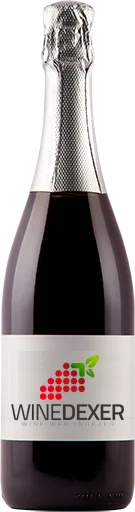
Winery BoidoAsti Dolce
 Sparkling wine



In the mouth this sparkling wine is a .
This wine generally goes well with fruity desserts, aperitif or sweet desserts.

Taste structure of the Asti Dolce from the Winery Boido
Light | Bold | |
Soft | Acidic | |
Gentle | Fizzy |
In the mouth the Asti Dolce of Winery Boido in the region of Piedmont is a .
Food and wine pairings with Asti Dolce
Pairings that work perfectly with Asti Dolce



Original food and wine pairings with Asti Dolce
The Asti Dolce of Winery Boido matches generally quite well with dishes of sweet desserts, fruity desserts or aperitif such as recipes of yoghurt cake, apple cake or radicchio and pancetta rolls.
Details and technical informations about Winery Boido's Asti Dolce.
Discover the grape variety: Velika
Table grape with long bunches and spherical blue-black berries with thin skin and crunchy flesh, with a sweet, fresh taste. Early-ripening, productive and excellent keeping quality. Grown in California, Spain and Chile for export markets, prized for its attractive display appearance and good commercial shelf life. American black table grape variety obtained by crossing for fresh consumption.
Last vintages of this wine
The best vintages of Asti Dolce from Winery Boido are 0
Informations about the Winery Boido
The Winery Boido is one of of the world's great estates. It offers 28 wines for sale in the of Asti to come and discover on site or to buy online.

The wine region of Asti
Italian capital of sweet, aromatic sparklers. Signature Asti DOCG: light, muscat-scented sparklers from Moscato Bianco with signature notes of fresh grape, peach, apricot, orange blossom and sage, opulent yet balanced sweetness, low alcohol (~7%) — a dessert treat. Moscato d'Asti a more delicate, slightly fizzy (frizzante) version. Also lively, fruity Barbera reds, peppery Grignolino and sweet, musky Brachetto d'Acqui.
The wine region of Piedmont
Kingdom of Nebbiolo: Barolo and Barbaresco DOCG, long-ageing reds with firm tannins and lively acidity, complex aromas of withered rose, sour cherry, tar, truffle and undergrowth. More accessible, tangy Barbera on red fruit, supple, crisp Dolcetto. Sweet, floral sparkling Moscato d'Asti, mineral, lemony Gavi (Cortese) white, round, almondy Arneis from Roero. 50,000 ha across the Langhe, Roero and Monferrato, UNESCO.
The word of the wine: Champagne rosé
Often obtained by adding red wines (from Champagne), it is even the only vineyard where this practice is allowed. Some producers prefer the practice used in other regions, i.e. a short maceration to extract sufficient colouring matter. This results in winey rosés for meals. Elegant aperitif rosé is more often made from red wine coloured Chardonnay. Rosés can be vintage or non vintage.