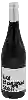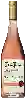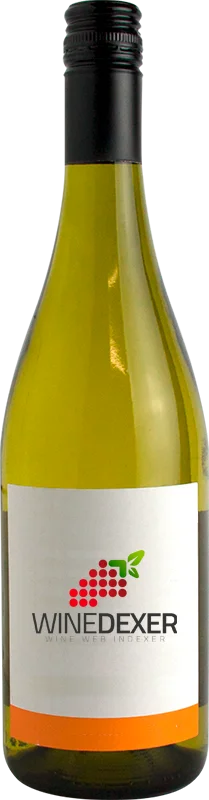
Domaine des BodinesOrange Mecanique
 White wine


In the mouth this white wine is a with a nice freshness.
This wine generally goes well with poultry, mild and soft cheese or mushrooms.
Taste structure of the Orange Mecanique from the Domaine des Bodines
Light | Bold | |
Dry | Sweet | |
Soft | Acidic |
In the mouth the Orange Mecanique of Domaine des Bodines in the region of Vin de France is a with a nice freshness.
Food and wine pairings with Orange Mecanique
Pairings that work perfectly with Orange Mecanique



Original food and wine pairings with Orange Mecanique
The Orange Mecanique of Domaine des Bodines matches generally quite well with dishes of poultry, mushrooms or mild and soft cheese such as recipes of fricadella, pasta à la forestière (chanterelles) or piccata with cheese.
Details and technical informations about Domaine des Bodines's Orange Mecanique.
Discover the grape variety: Fleurtai
Interspecific cross between Sauvignonasse and Kozma 20-3 obtained in 2002 at the University and Institute of Applied Genetics of Udine (Italy), which is also the case for Soreli.
Informations about the Domaine des Bodines
The Domaine des Bodines is one of of the world's greatest estates. It offers 14 wines for sale in the of Vin de France to come and discover on site or to buy online.

The wine region of Vin de France
The freest category of French wine, the playground of winemakers working outside the AOC. All styles combined: fruity reds, lively or ambitious whites, everyday rosés, unusual blends, natural wines, atypical grapes (Petit Manseng in Languedoc, Riesling in Provence), experimental winemaking (skin-contact whites, no sulphur). Grape and vintage labelling allowed, no geographic constraint. From the pop, convivial cuvée to the artisan gem: freedom in a bottle.
The word of the wine: Maceration
Prolonged contact and exchange between the juice and the grape solids, especially the skin. Not to be confused with the time of fermentation, which follows maceration. The juice becomes loaded with colouring matter and tannins, and acquires aromas. For a rosé, the maceration is short so that the colour does not "rise" too much. For white wines too, a "pellicular maceration" can be practised, which allows the wine to acquire more fat.