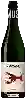
Bodegas SerranoDarimus Merlot
 Red wine



In the mouth this red wine is a powerful.
This wine generally goes well with beef, veal or lamb.

Taste structure of the Darimus Merlot from the Bodegas Serrano
Light | Bold | |
Smooth | Tannic | |
Dry | Sweet | |
Soft | Acidic |
In the mouth the Darimus Merlot of Bodegas Serrano in the region of Murcie is a powerful.
Food and wine pairings with Darimus Merlot
Pairings that work perfectly with Darimus Merlot



Original food and wine pairings with Darimus Merlot
The Darimus Merlot of Bodegas Serrano matches generally quite well with dishes of beef, lamb or veal such as recipes of cornish pasties, lamb collar with mustard or veal tagine with potatoes and olives.
Details and technical informations about Bodegas Serrano's Darimus Merlot.
Discover the grape variety: Merlot
Round and fleshy reds with a velvety texture, showing aromas of ripe plum, black cherry, cocoa and truffle notes with age. Supple tannins, generous alcohol, indulgent finish. Pillar of Libournais (Pomerol with Pétrus, Saint-Émilion with Cheval Blanc and Ausone) and signature of Super Tuscans, Italian Wales and Washington State. A cross of Cabernet Franc × Magdeleine Noire, France's most planted red variety.
Last vintages of this wine
The best vintages of Darimus Merlot from Bodegas Serrano are 0
Informations about the Bodegas Serrano
The Bodegas Serrano is one of of the world's greatest estates. It offers 8 wines for sale in the of Murcie to come and discover on site or to buy online.

The wine region of Murcie
Wine region of southeastern Spain on sunny high plateaus, 3 DOs fanning out: Jumilla, Yecla, Bullas. Monastrell (Mourvedre) reigns in red (~80% of the vineyard): dense and sunny with signature notes of black mulberry, candied black cherry, garrigue, leather, liquorice and a sweet spice touch, firm tannins and a warm palate — pomegranate robe, sustained alcohol, often own-rooted. Round Grenache, supple Tempranillo, peppery Syrah. Southern wines with outstanding value.
The word of the wine: Mineral
Taste reminiscent of gunflint, chalk and many nuances of the mineral world, and reinforcing, especially in white wines, the notion of freshness and the sappy character.