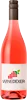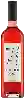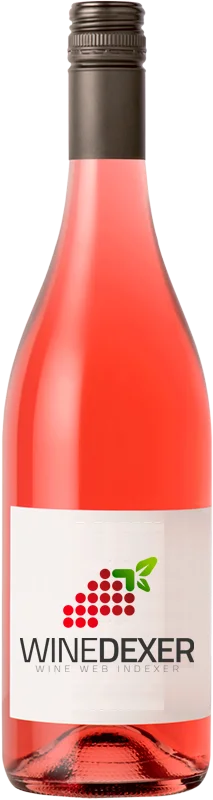
Bodegas BordoySa Rota Rosado
 Pink wine



This wine generally goes well with

Details and technical informations about Bodegas Bordoy's Sa Rota Rosado.
Discover the grape variety: Mourvaison
Simple, light and fruity reds with a lightly coloured clear ruby hue, soft tannins and an airy palate with moderate acidity, showing understated aromas of red fruits. Discreet, rustic Provençal profile. Almost disappeared, preserved in INRAE varietal collections for its heritage value, it testifies to the pre-phylloxera ampelographic diversity of the Provençal vineyard. Native French black variety from Provence, formerly grown in the south-east.
Last vintages of this wine
The best vintages of Sa Rota Rosado from Bodegas Bordoy are 2017, 2014, 0
Informations about the Bodegas Bordoy
The Bodegas Bordoy is one of of the world's greatest estates. It offers 17 wines for sale in the of Plà i Llevant to come and discover on site or to buy online.

The wine region of Plà i Llevant
Mallorcan DO southeast of the island (1999, ~497 ha, 13 wineries): Callet, Manto Negro, Fogoneu and Gorgollassa indigenous signature reds complemented by Cabernet Sauvignon, Merlot, Monastrell, Syrah and Tempranillo — profile with cream, tobacco, strawberry, cherry, lemon and vanilla. Premsal Blanc, Giro Ros, Moscatel, Chardonnay and Viognier in whites. Mediterranean climate with very hot summers (450 mm), vines at <100 m, valorisation of indigenous varieties.
The wine region of Iles Baléares
Spanish Mediterranean archipelago (Majorca, Minorca, Ibiza), warm insular climate, limestone soils. Manto Negro (Majorca, 320 ha, native): supple and silky with red cherry, raspberry, plum, Mediterranean herbs and spicy hint, fine tannins and moderate alcohol. Round and fragrant Callet (native) solo or blended (young and rosé). Cabernet and Merlot for ageing cuvées.
The word of the wine: Volatile acidity
Acidity resulting essentially from alcoholic fermentation and formed from acetic acids in the free state.